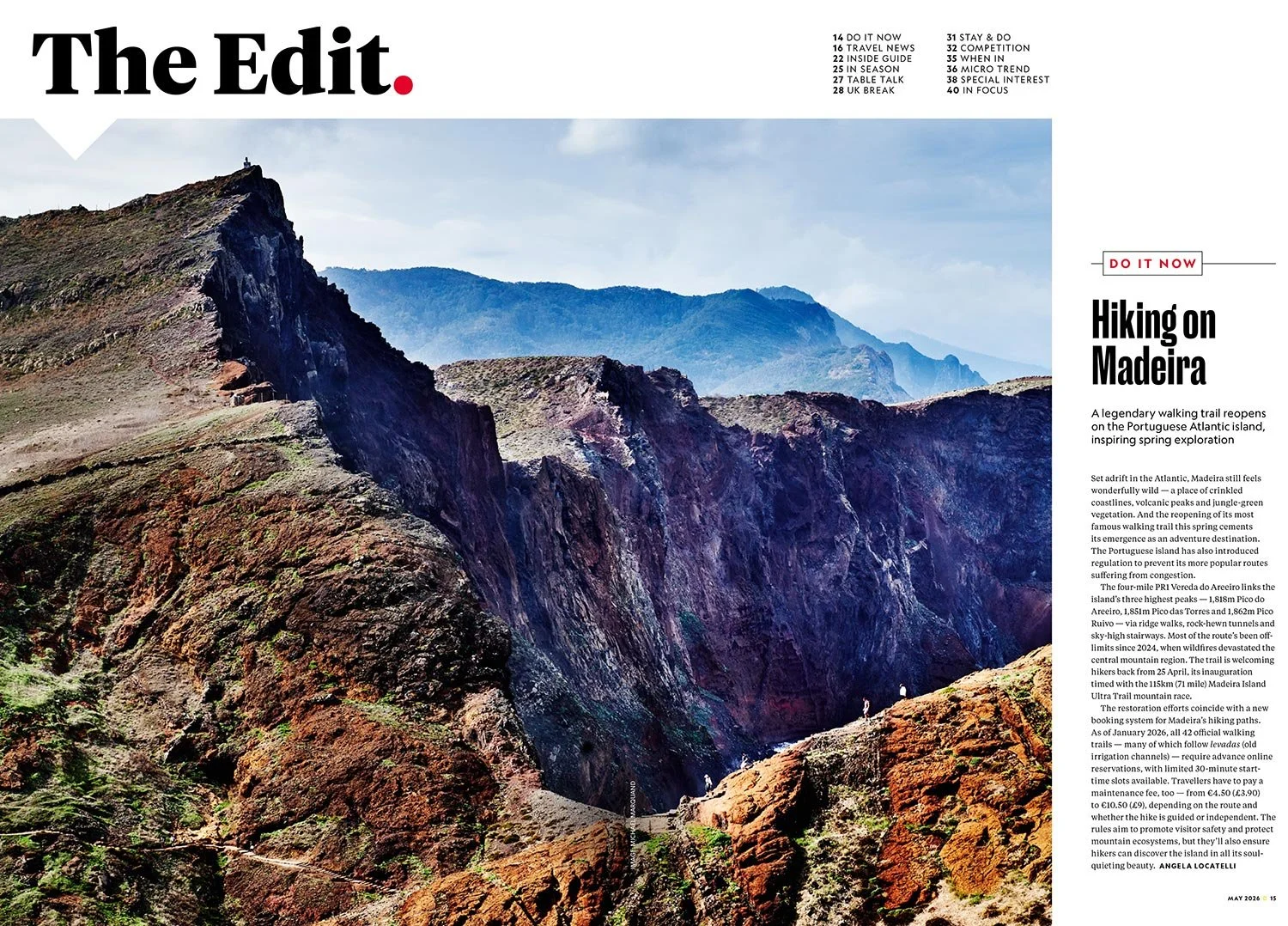
New feature on the opening of the PR1 Vereda trail on Madeira island (Portugal) for National Geographic traveler
The PR1 Vereda do Areeiro is Madeira’s most iconic and spectacular mountain ridge trail, connecting the island's two highest peaks: Pico do Areeiro (1,818m) and Pico Ruivo (1,862m). Following extensive restoration after the 2024 wildfires, the full trail officially reopened in late April 2026
New piece on my work for Windstar Cruises from Wonderful Machine
Spotlight: Michael Marquand Navigates the Culinary High Seas for Windstar Cruises
BY Maryse Navaratne, Michaela Peiris
Published, Photographer SpotlightFood/Drink
The rhythmic hum of a ship’s engine and the unpredictable tilt of the horizon aren’t typical conditions for a high end commercial food shoot. However, for photographer Michael Marquand, an eight day voyage aboard a Windstar Cruises vessel provided the perfect backdrop to merge two of his professional pillars: travel and gastronomy.
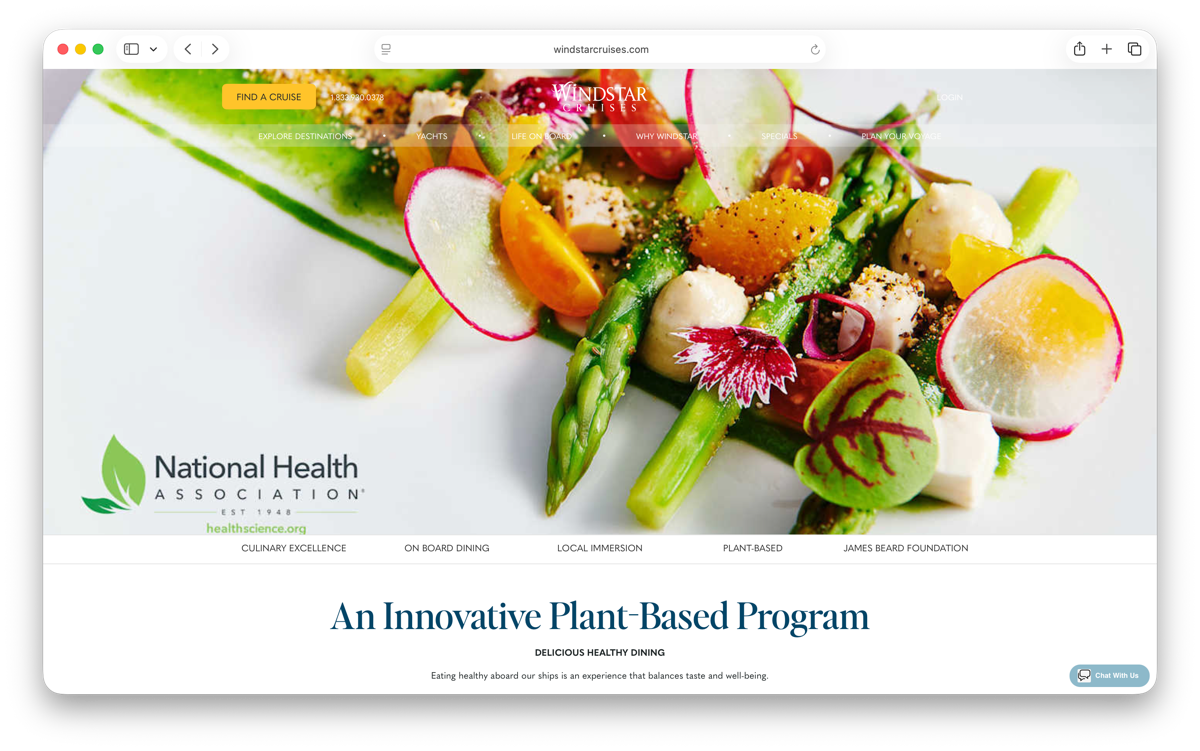
Michael, whose portfolio boasts editorial work for prestigious outlets like Condé Nast Traveler, was brought onto the project specifically for his ability to weave a sense of place into his subjects. Windstar, known for its intimate, luxury sailing experiences, found Michael through the Wonderful Machine network, recognizing that his dual expertise was essential for their first ever dedicated food production.
Setting the Scene at Sea
While most hospitality shoots occur in the stable environments of land based resorts, this assignment required constant adaptation to the ship’s architecture. The goal was not just to photograph the food, but to celebrate the unique dining environments that define the Windstar brand.
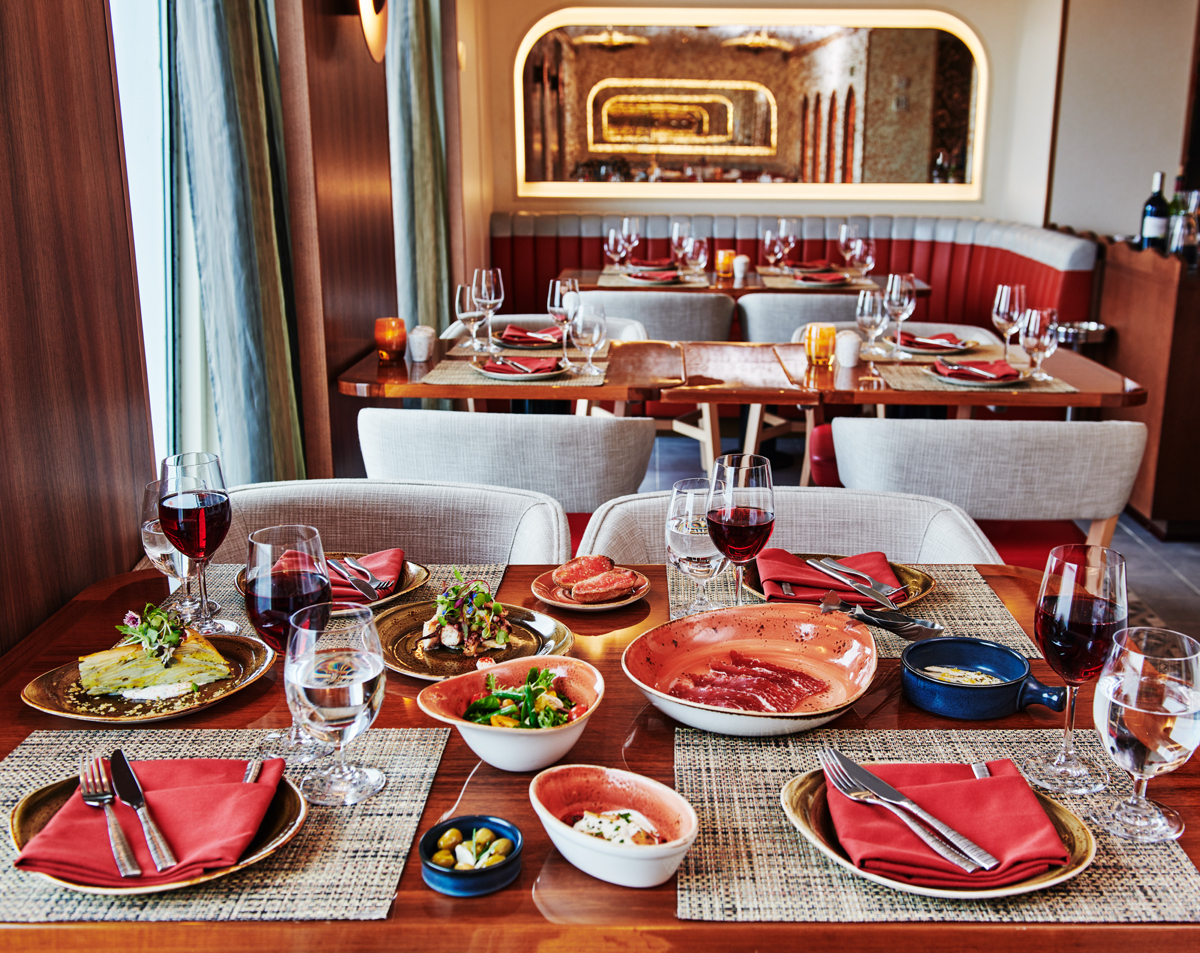
“Everything was shot on location on the ship and the ship has multiple restaurants which are well designed and iconic to the brand so we tried to incorporate the location into the food and beverage shots as much as possible.”
This approach required a strategic logistical dance. Working alongside Director of Marketing Jessica Chiang and Director of Operations Peter Tobler, Michael and his team planned the shot list by location. By spending half a day or more in a single part of the ship, they could capture both wide interior restaurant shots and intimate, macro focused food imagery without losing time to the complexities of moving equipment through narrow corridors.
Collaboration in the Galley
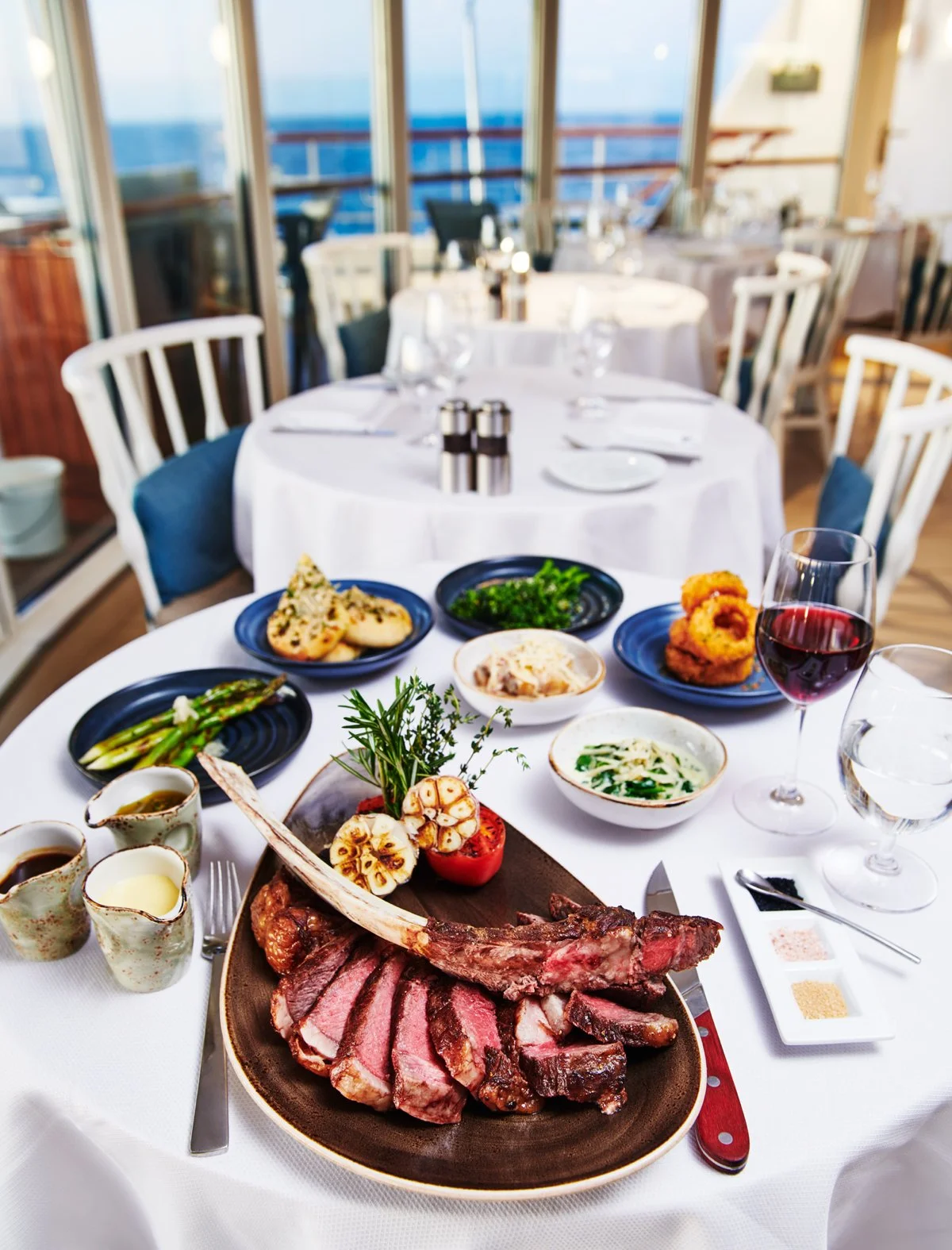
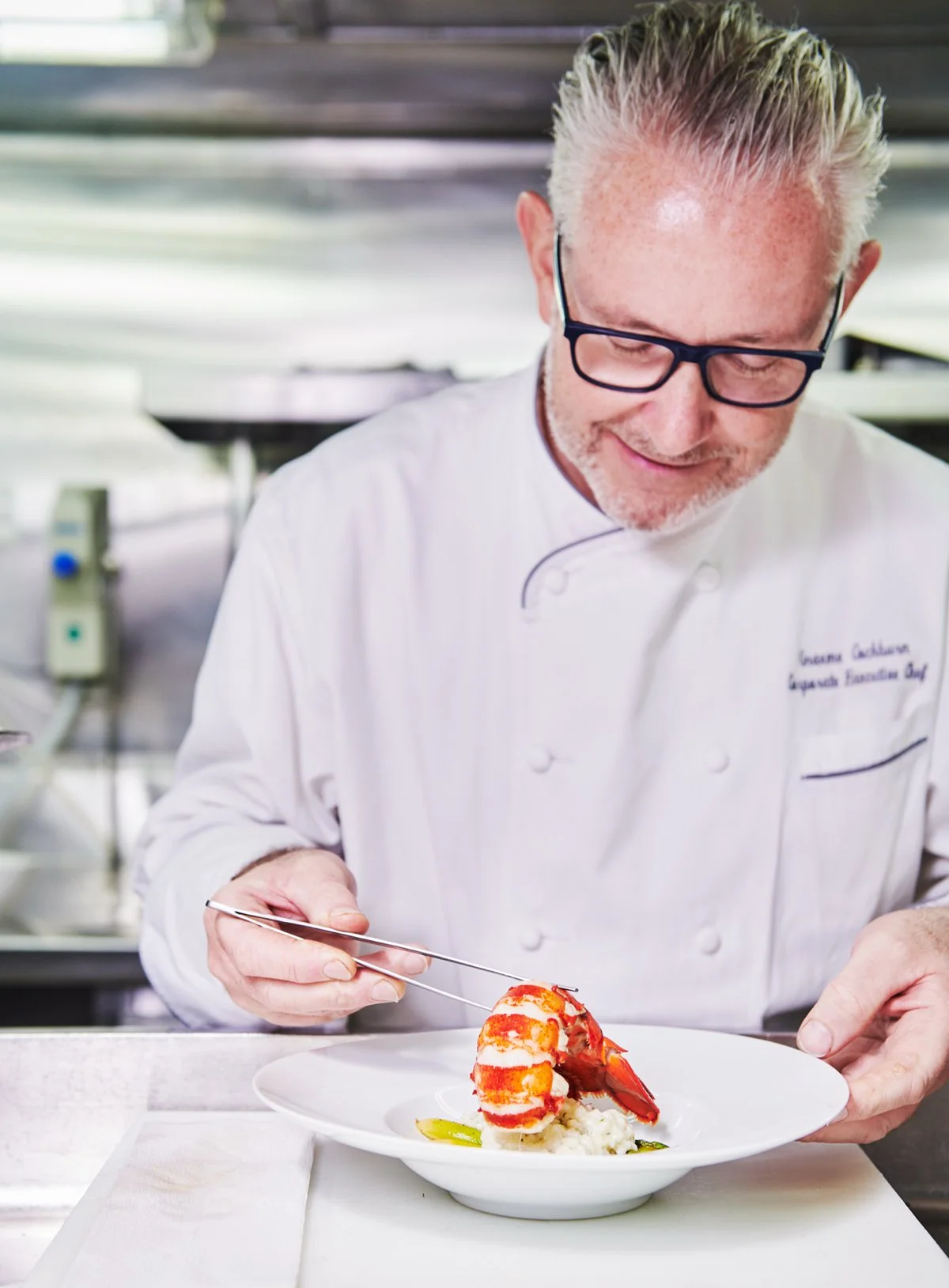
The production was a highly collaborative effort between the creative team and the ship’s staff. Michael worked closely with longtime collaborator and food stylist Marilinda Hodgdon, as well as Windstar’s head chef, Graeme Cockburn. The dynamic in the galley was one of mutual respect and precision, balancing the reality of a working kitchen with the aesthetic demands of commercial photography.
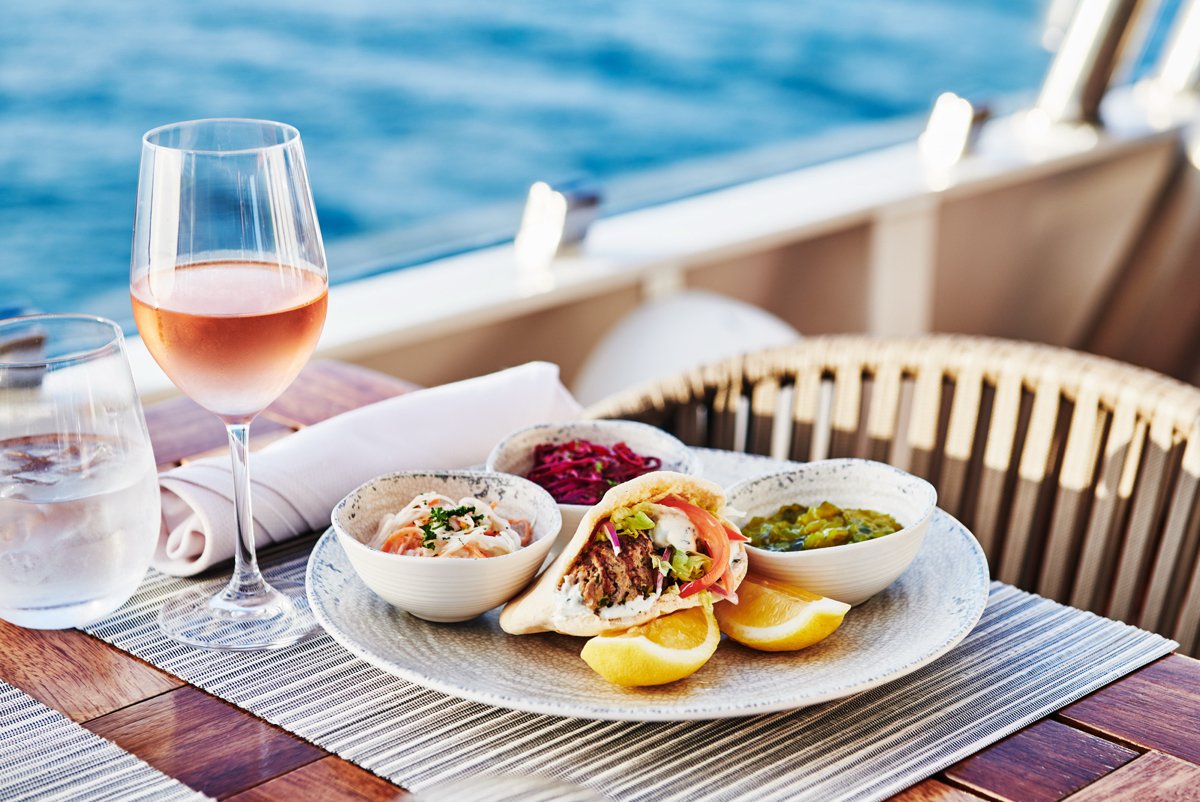
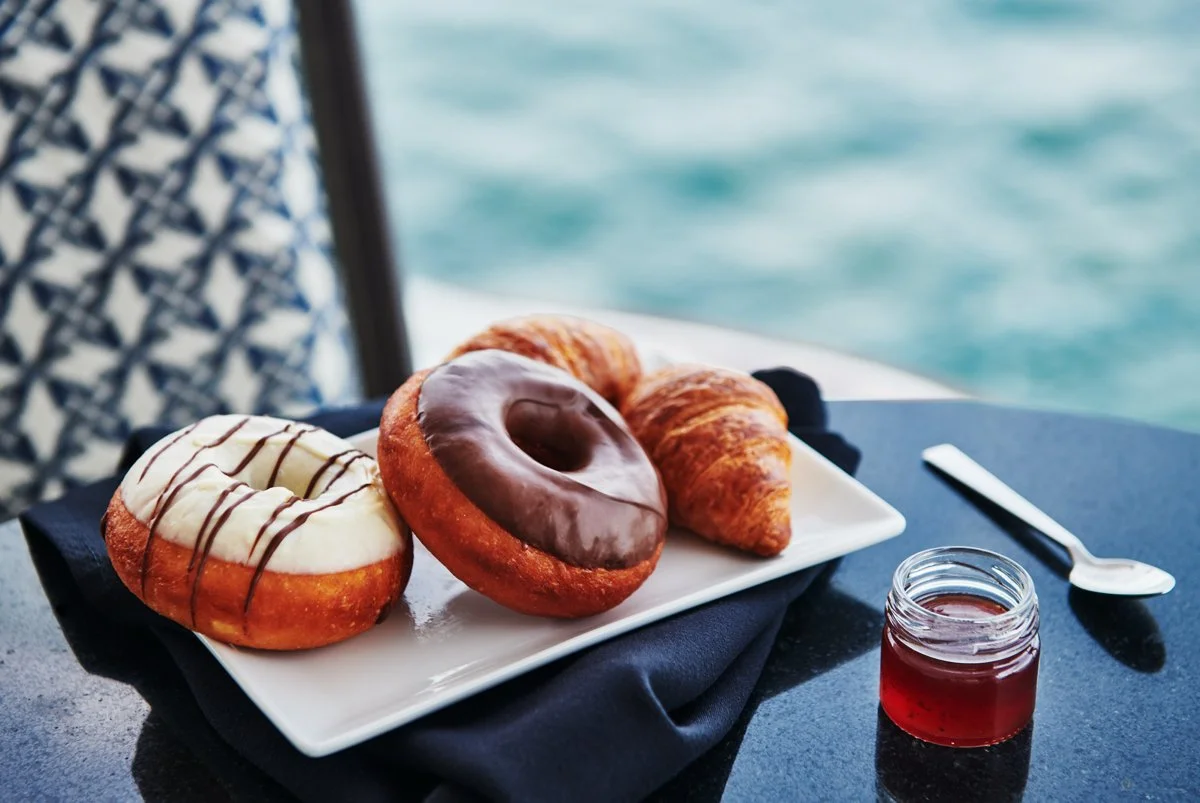
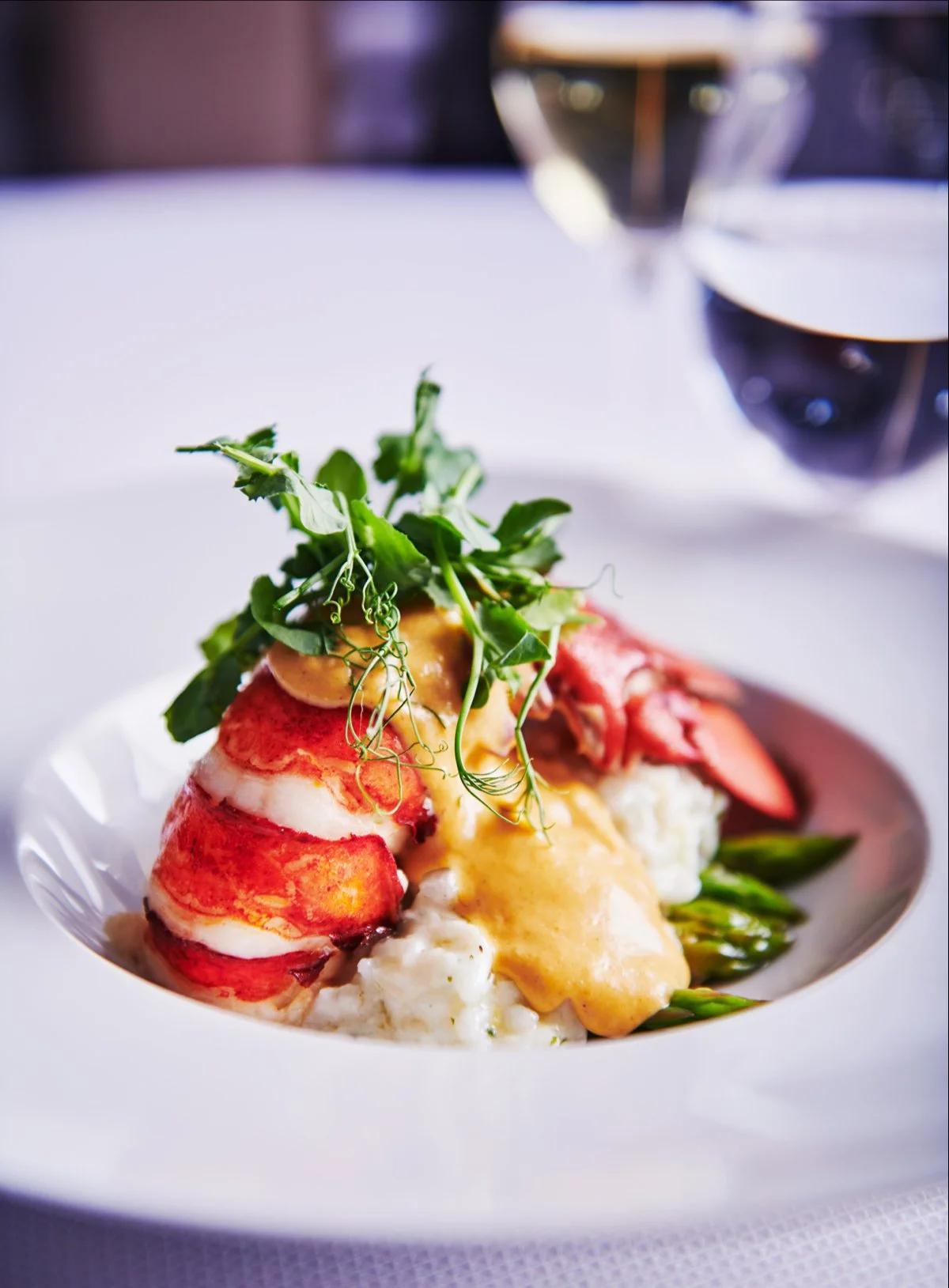
“I’ve worked with Marilinda for years and she can do anything. She would work with them directly, sometimes she’d have them change certain things to make it more photogenic and sometimes it was just a combination of the chef doing the main dish and Marilinda putting on the final touches.”
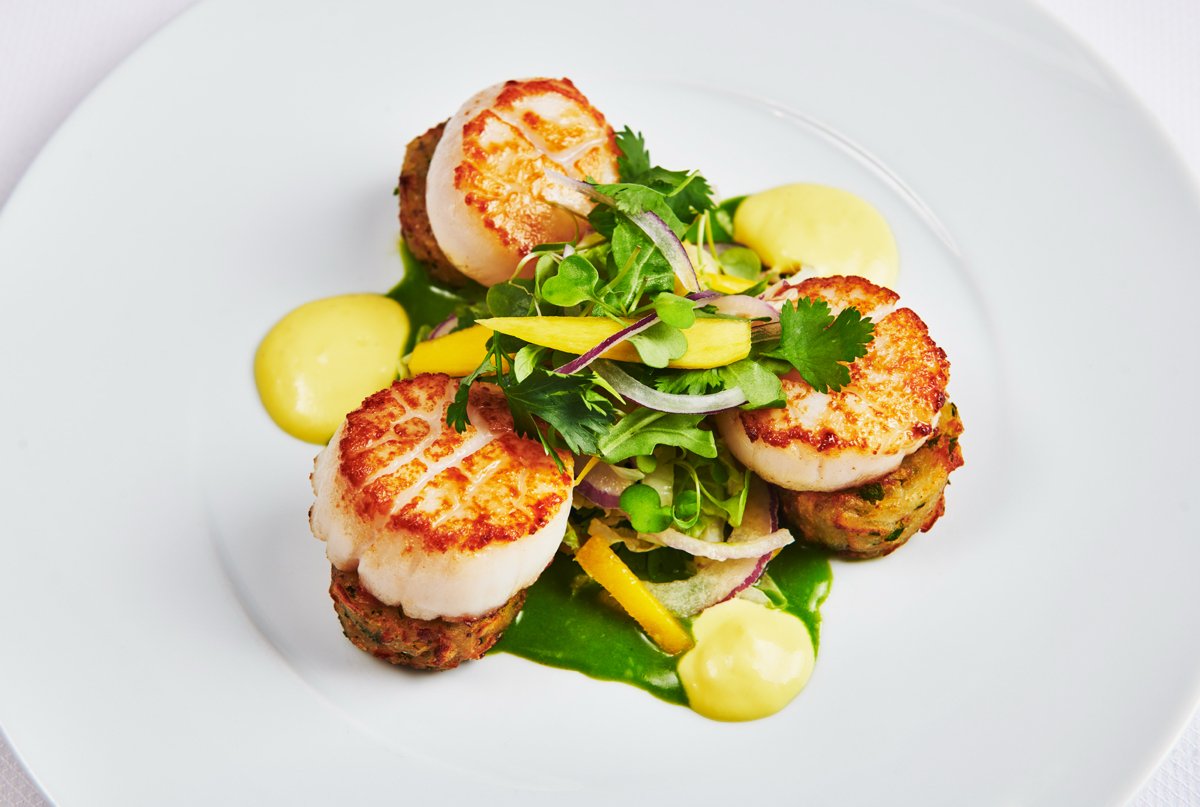
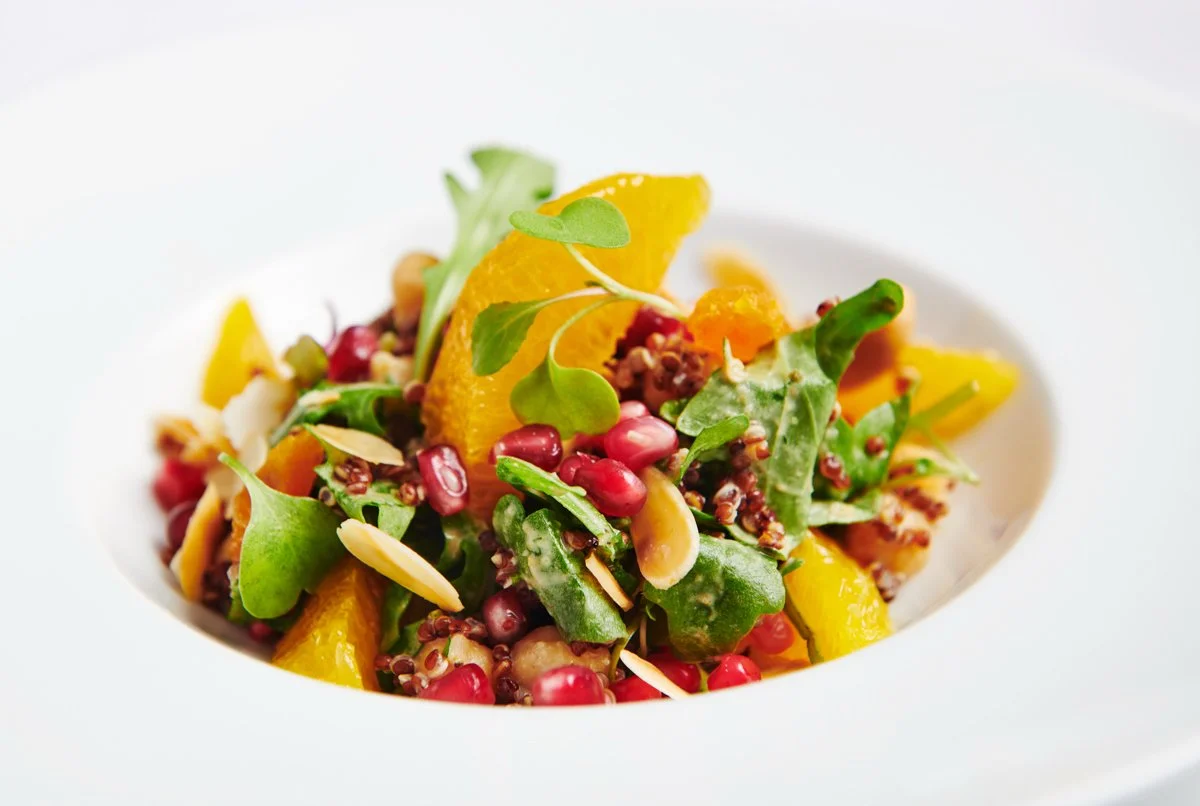
While showcasing the signature dishes, the brief also stressed the importance of visual diversity. The team curated a selection of appetizers, mains, and desserts based on visual interest and popularity, with a specific focus on Windstar’s burgeoning line of plant-based offerings.
Weathering the Storm
Shooting on a moving vessel introduced technical hurdles that few land based photographers ever encounter. Space was often at a premium, requiring Michael to artfully hide lighting equipment in tight corners or small sections of the restaurants to maintain the “clean” look the client desired. Then, there was the weather.
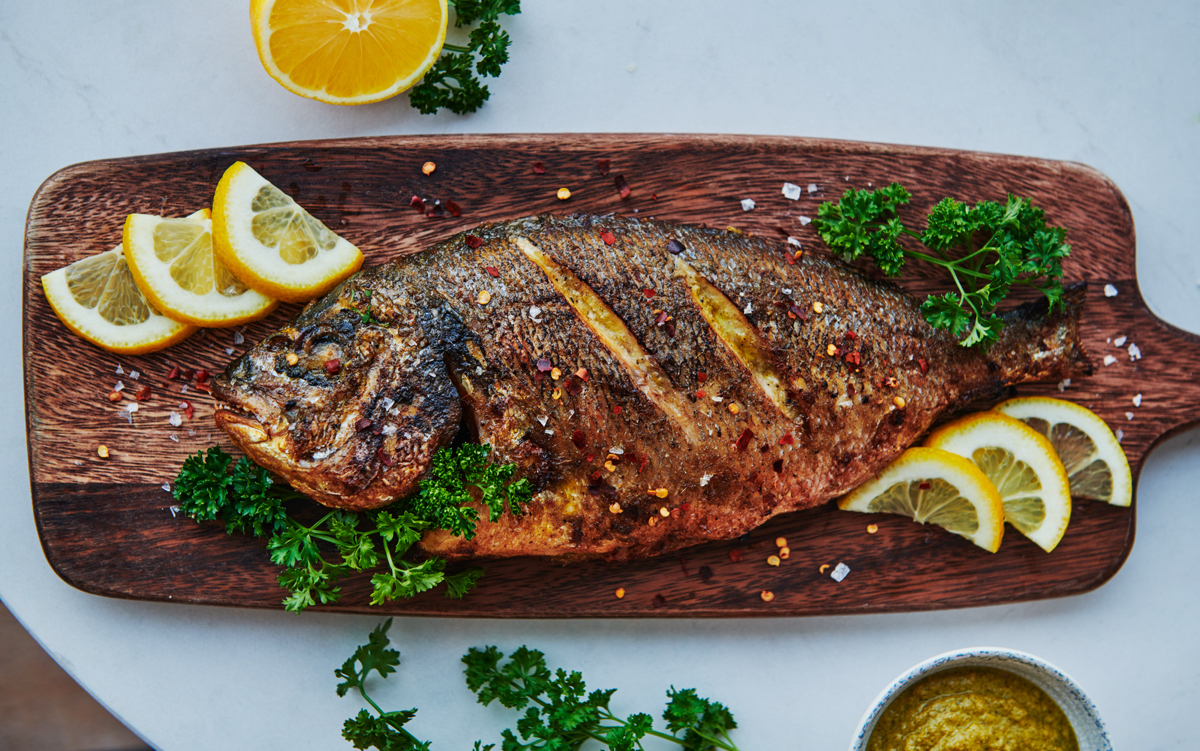
“We had one day where we were going through a storm and the boat was really rocky. We spent all day shooting on the bottom floor of the ship as it was the least turbulent and then I just double sand bagged everything and we managed to make it work.”
Even with occasional turbulence, the cabin atmosphere remained peaceful. Because Windstar specializes in smaller, less crowded cruises, the team was able to navigate public spaces with ease. Passengers often became part of the “energy” of the shoot, watching with curiosity as the team transformed corners of the deck into makeshift studios.
Anchoring the Brand
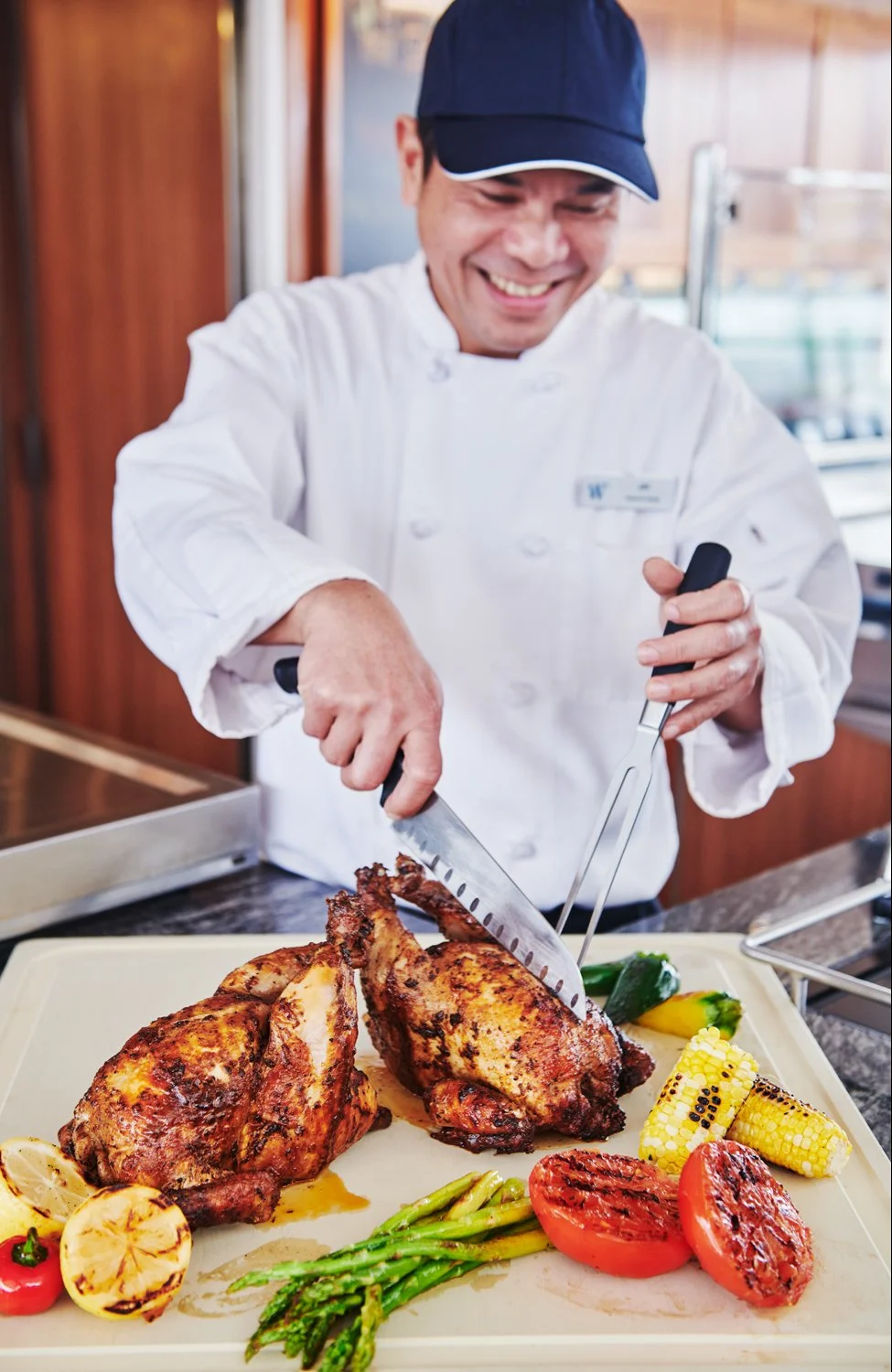
The resulting imagery marks a significant milestone for Windstar. Despite the importance of the culinary program to their brand identity, this project provided the essential visual assets needed to market their gourmet offerings effectively to future travelers. Marquand’s ability to marry the plate with the destination has given the cruise line a new visual language to describe the flavors of the sea.
Credits:
Food Stylist: Marilinda Hodgdon
Head Chef: Graeme Cockburn
Director of Marketing: Jessica Chiang
Director of operations: Peter Tobler
New piece on my work for KFC from Wonderful Machine
Spotlight: Michael Marquand for KFC
By Sara Maričević
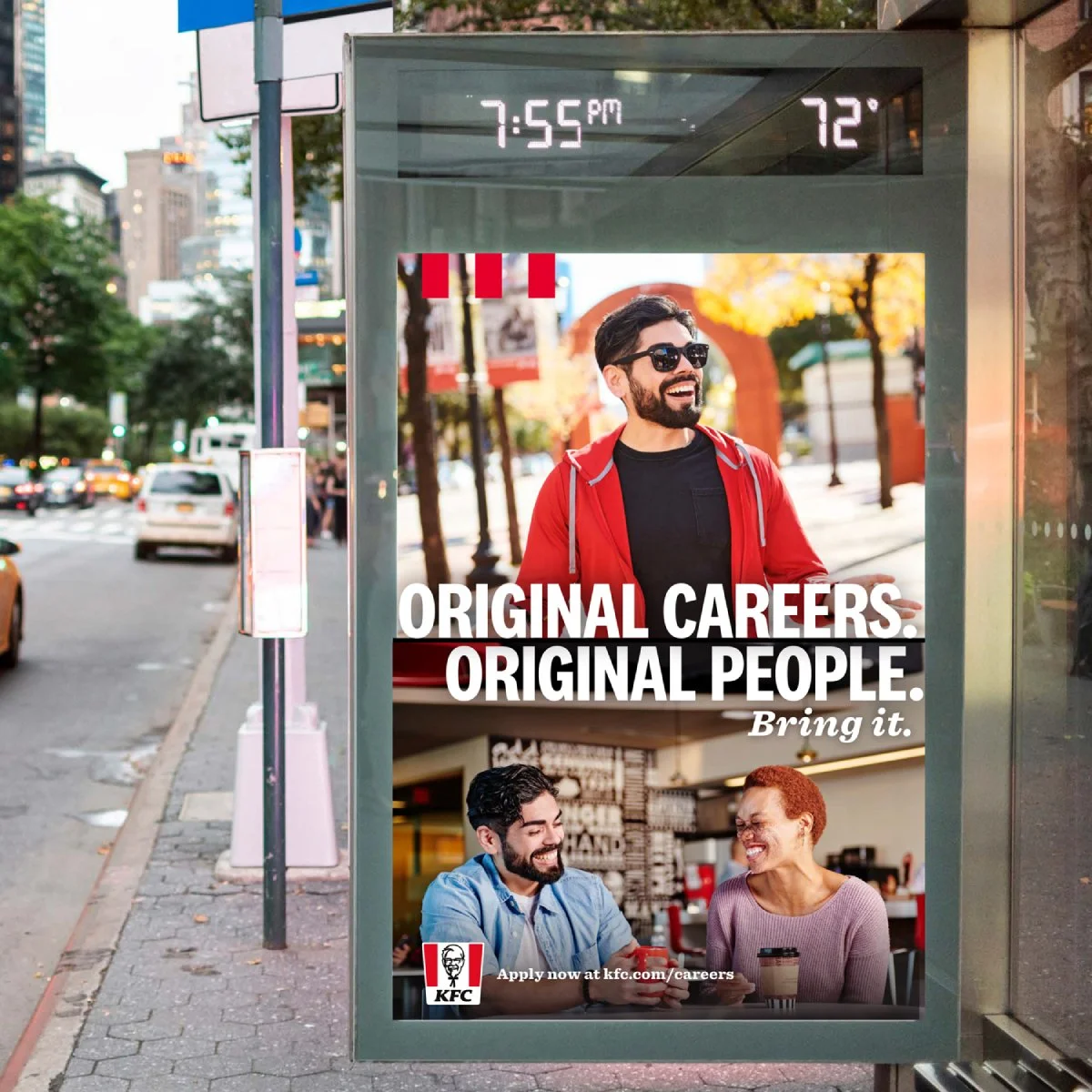
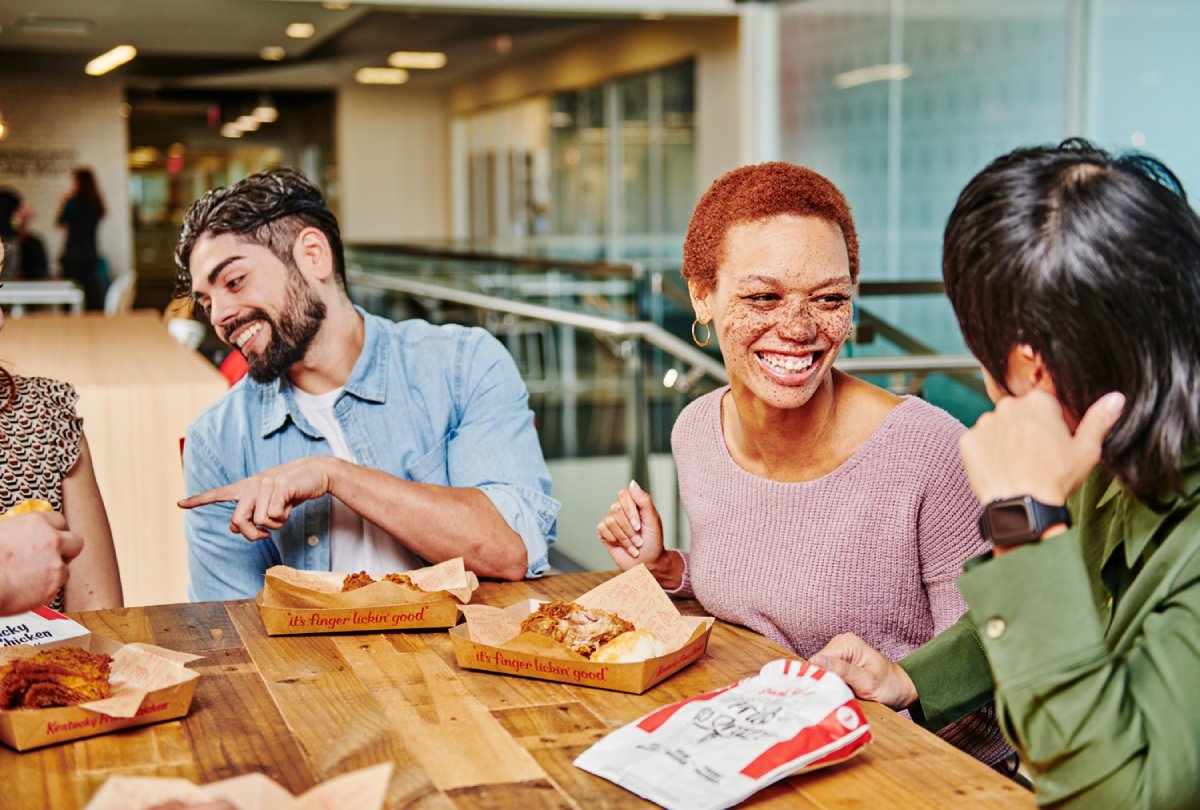
Michael Marquand is a New York-based commercial photographer whose recent project took him to KFC’s global offices in north Texas. There, he photographed the brand’s work environment for a campaign aimed at attracting new employees to the second-largest restaurant chain in the world, with locations in 150 countries. This was Michael’s first time working with the food giant, and all thanks to the UK-based agency called ThirtyThree, who recognized his talent and pitched him to the client.
Recipe for Sucess
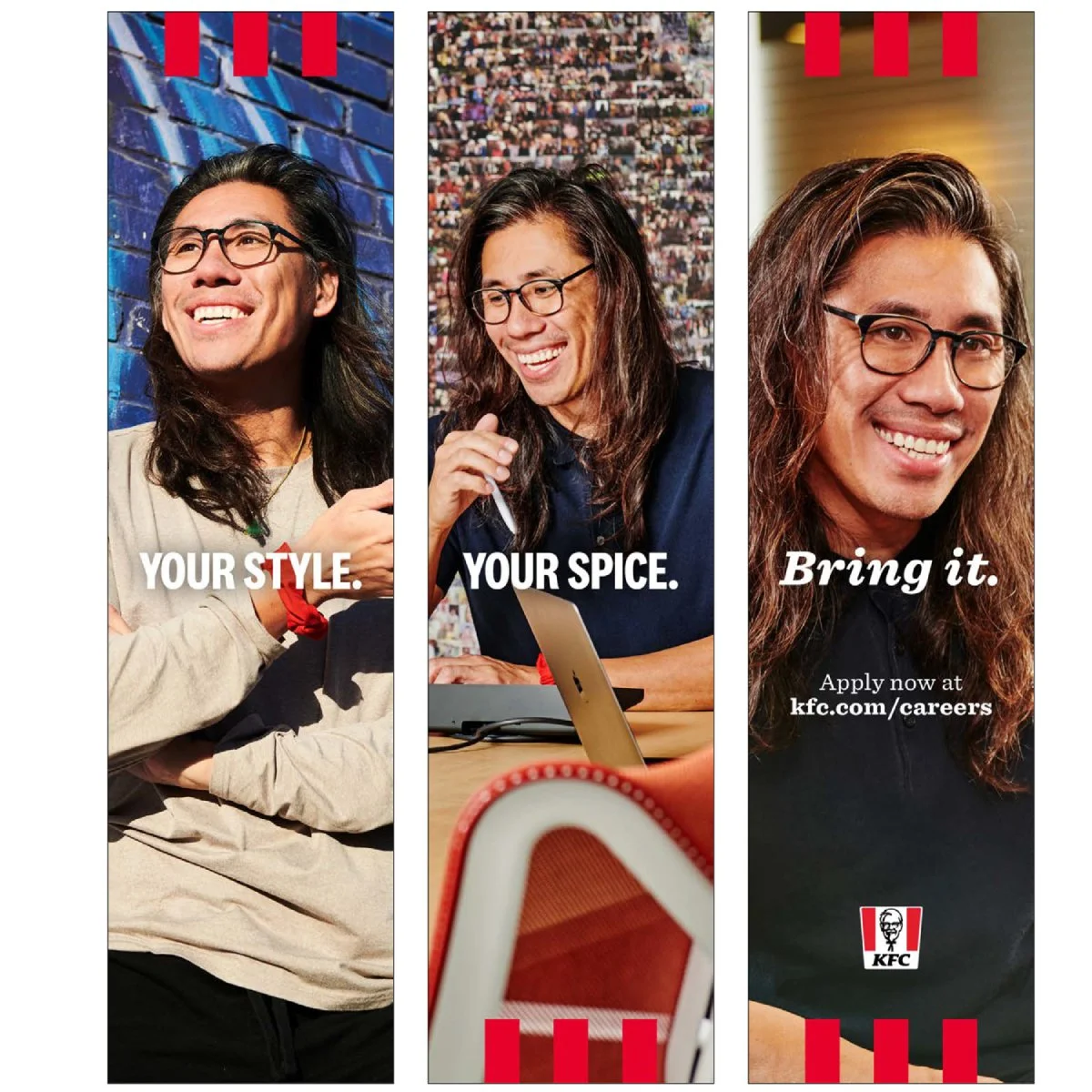
The preplanning for the project took place through a series of pre-production calls with the agency. The goal of the images was clear: to attract new employees to KFC by portraying it as a diverse, fun workplace where individuals could express themselves.
“The agency already had a strong idea of what they wanted before they approached me. It was important to show a lot of personality in the portraits. We also did some work-from-home shots to show the idea that KFC was offering a flexible work environment.”
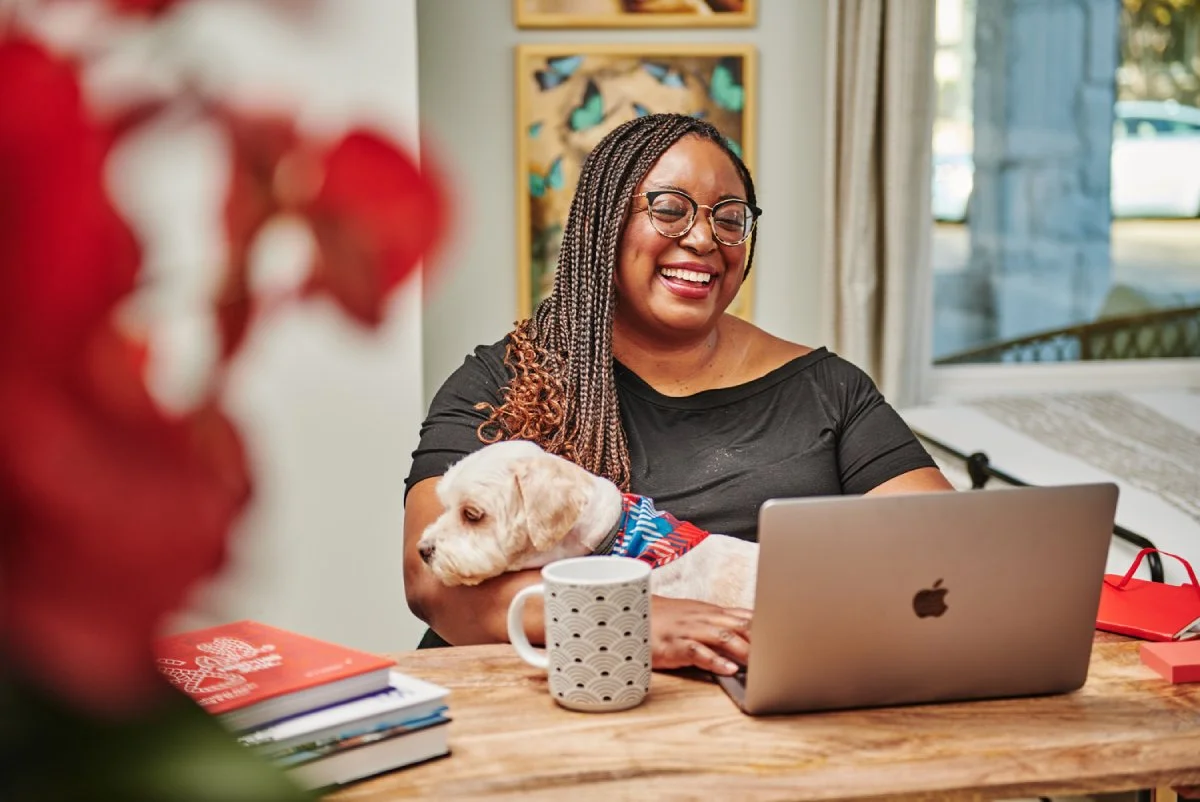
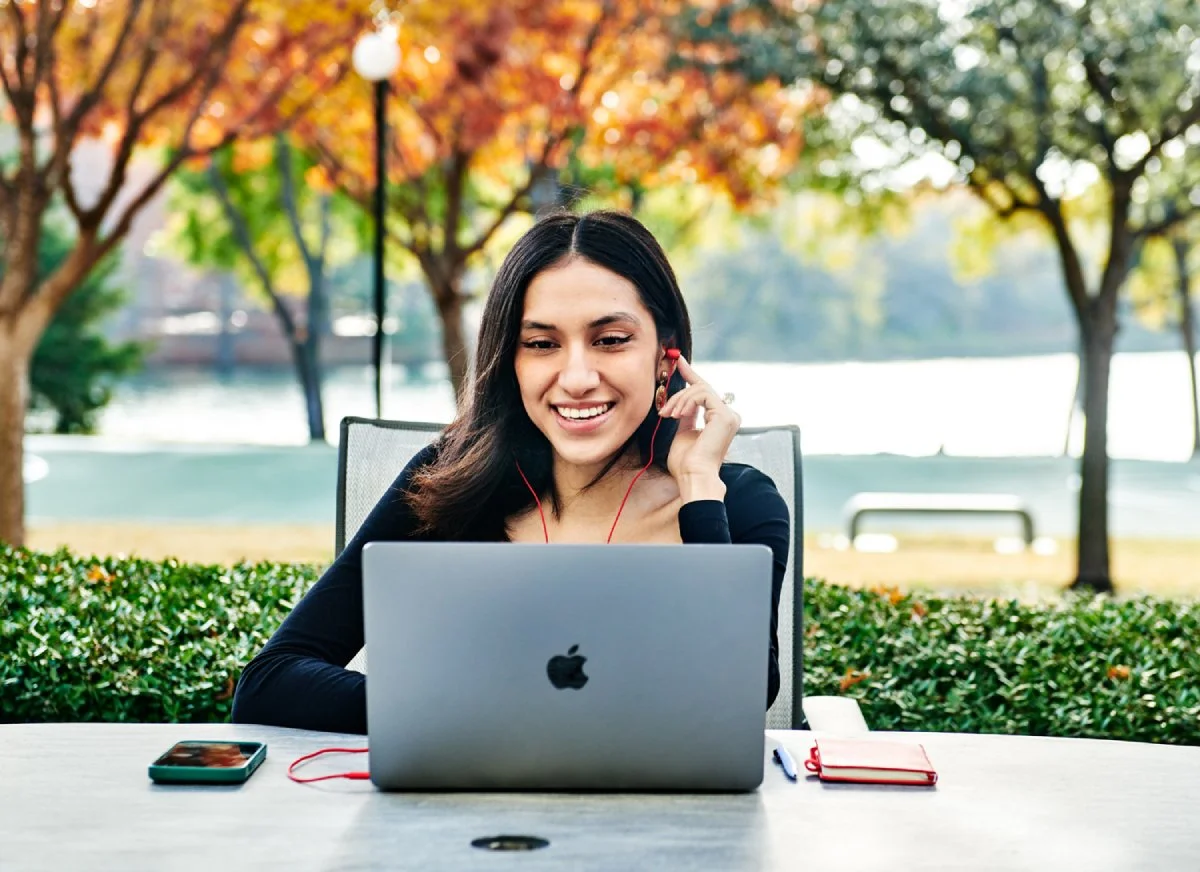
“The project involved shooting a lot of environmental portraiture and a strong use of color, which is very much my style. We also needed a lot of images of people working and interacting with technology — which, if you’re not careful, can be very boring. I’d done similar work for ThirtyThree where we had to photograph people working and using tech but managed to bring a lot of color and life to the images.”
Spicing up the Scene
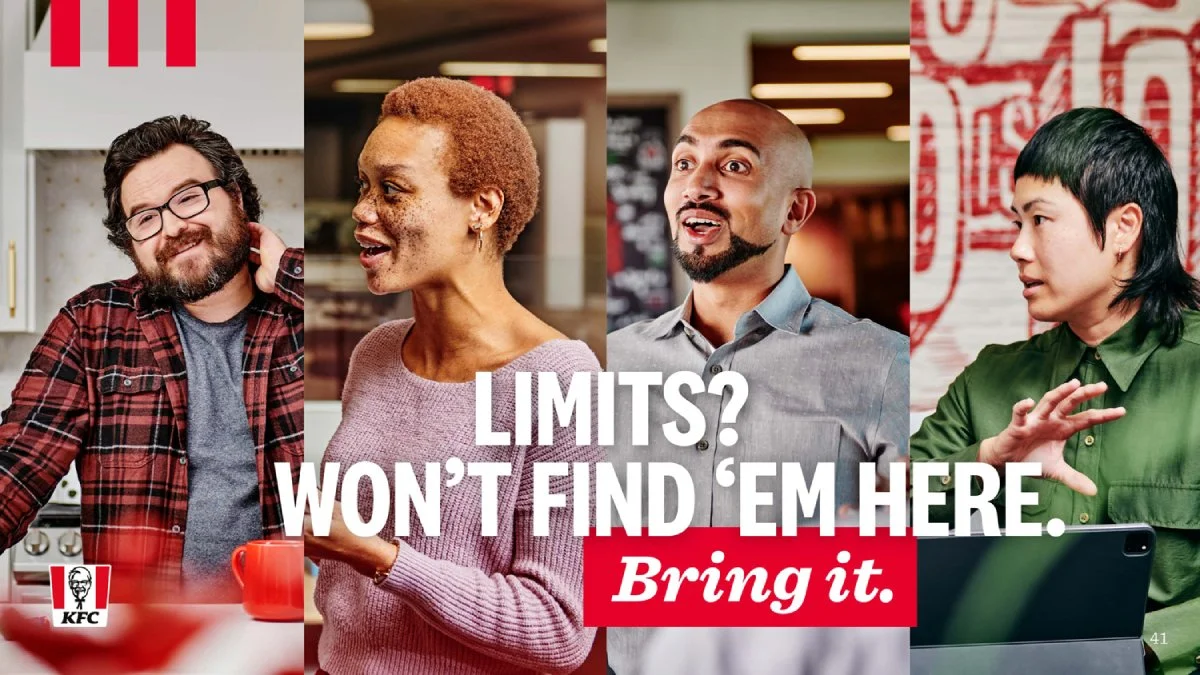
The shoot took place over two days, across several locations in Dallas, including the KFC corporate office and the city’s downtown areas.
We looked for any corner of the building that had an interesting environment, color, or architectural element we could use. Fortunately, the offices had a lot of fun areas to work with. We tried to incorporate the famous KFC red color in as many photos as possible to keep it on brand. Day two of the shoot was split between taking portraits in downtown Dallas and our work-from-home shots in a house we rented.”
On set, the energy was high as Michael worked alongside a team from ThirtyThree, including art director Alex Forrest, producer Kaitlyn Bader, and photo assistants Josh Phillips and Parker Connell, as well as the KFC employees being photographed.
Playing Chicken
Like on so many commercial shoots, Michael came head-to-head with time.
“We only had two days to shoot the whole project. Plus, we couldn’t even run long on the second day because we were flying out that same evening.
I had to find the best way to portray the space, the person, and the overall scene. So it was like shooting a Portraiture and Architectual Interiors project at the same time. A lot of details to think about at once. However, I found it to be a fun challenge!”
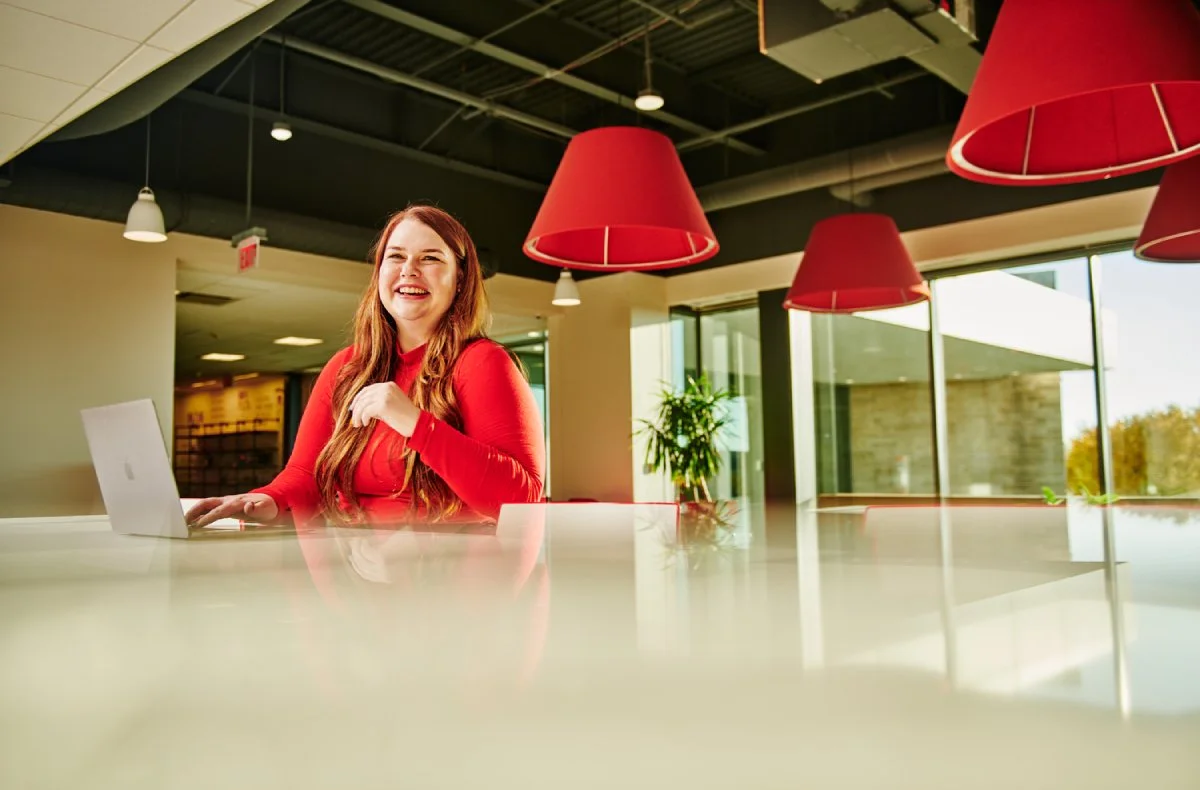
On day two of the shoot, with only ten minutes left before wrapping up to catch the flight, the art director proposed a last-minute shot idea. Quickly, Michael set up in a different spot of the house, arranging lighting and equipment in a rush. Despite the time crunch, he managed to capture the shot — which ultimately made it to the final selection!
Credits:
Agency: ThirtyThree
Art Director: Alex Forrest
Producer: Kaitlyn Bader
Photo assistants: Josh Phillips, Parker Connell
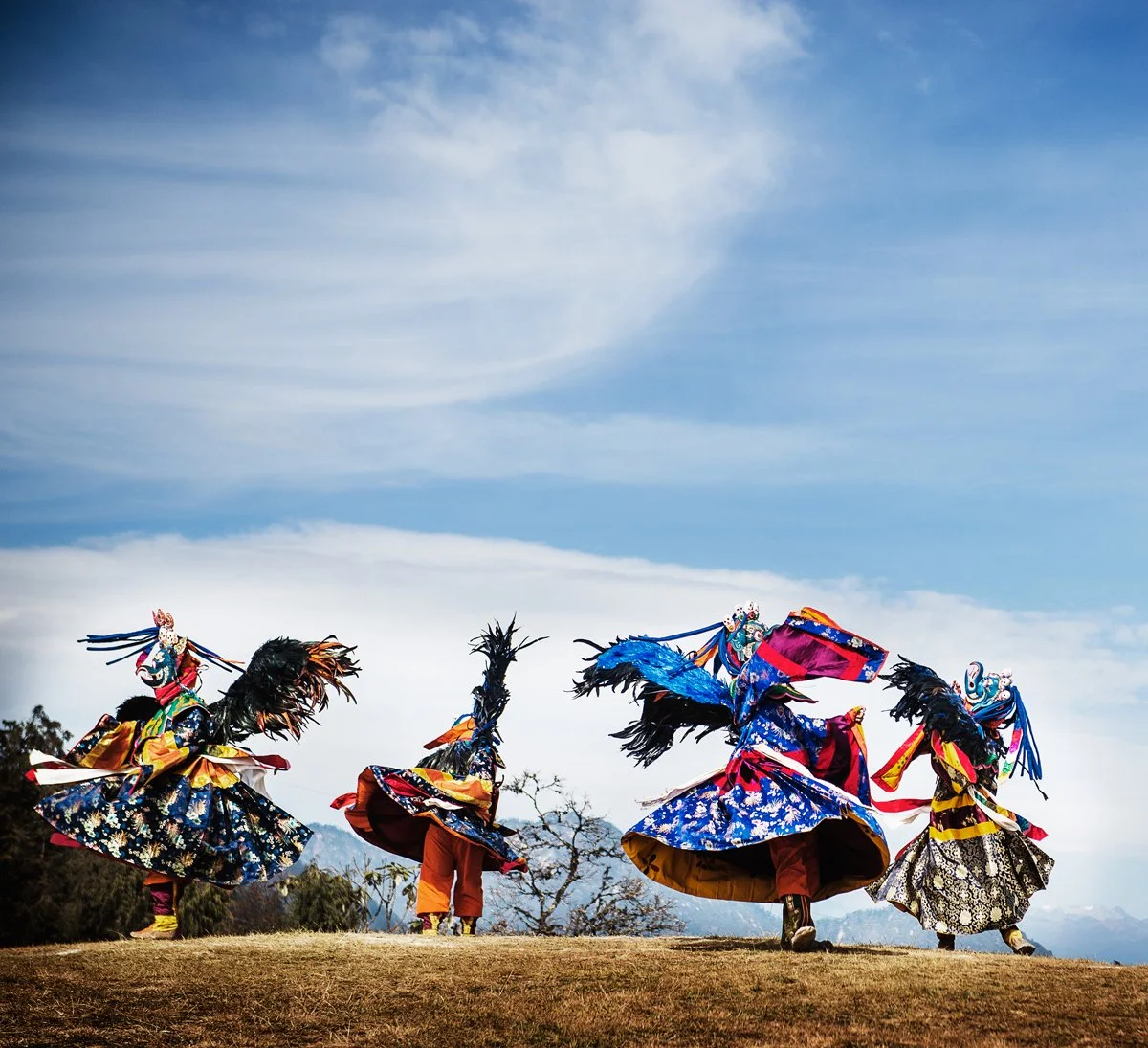
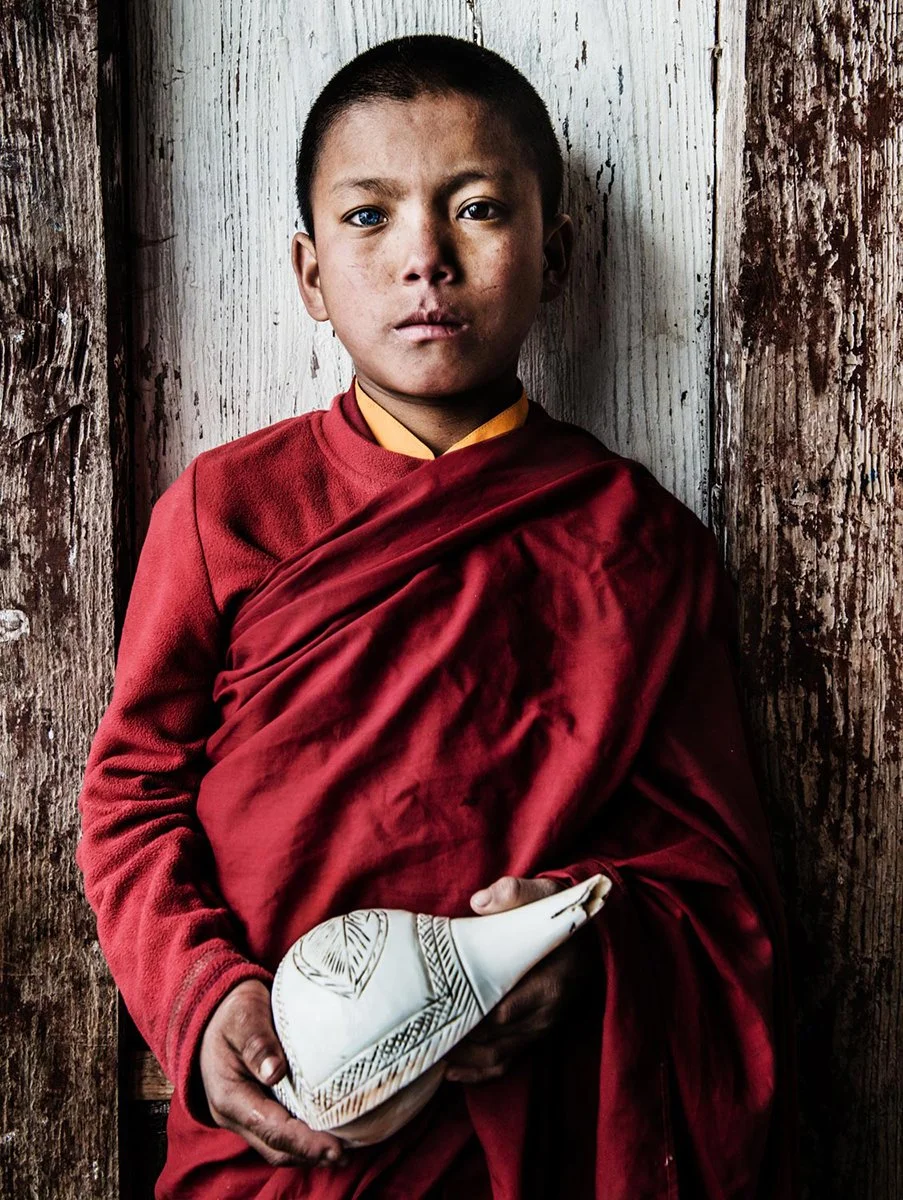
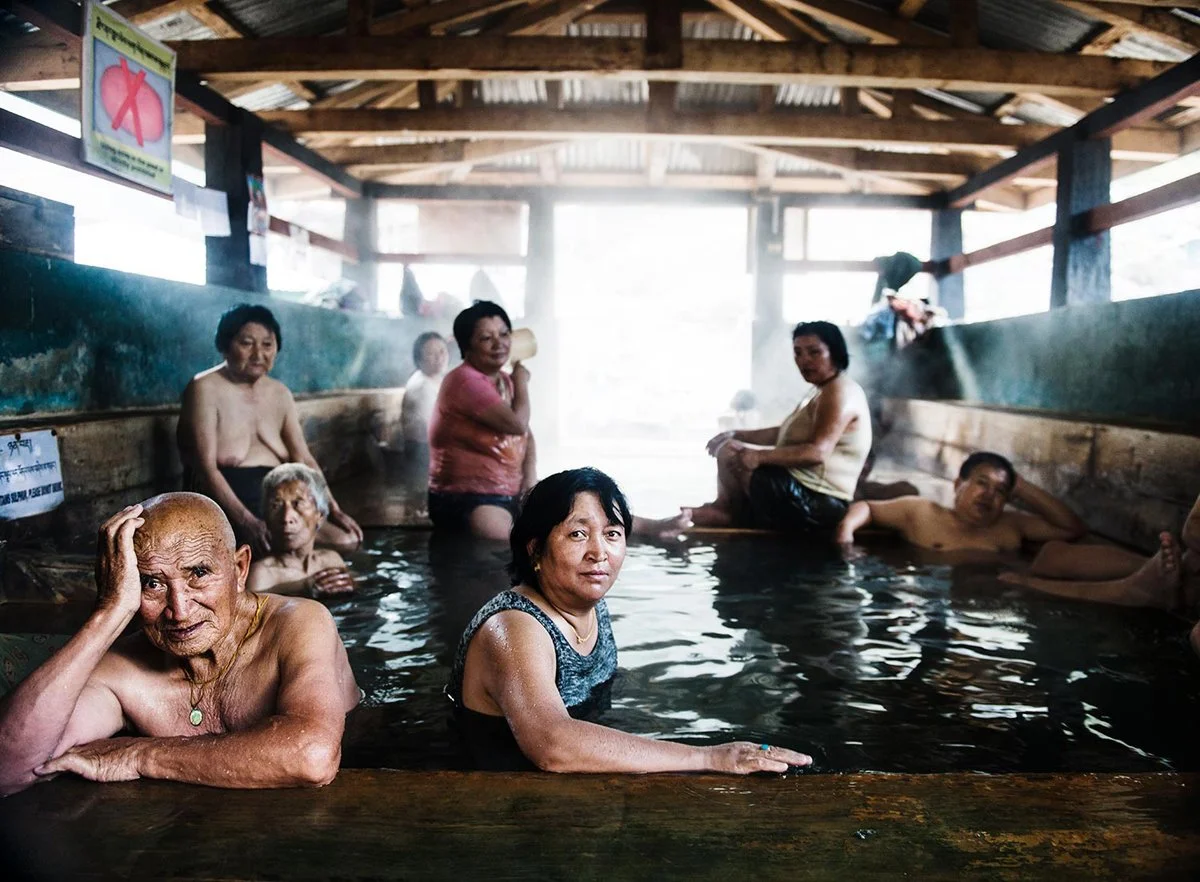
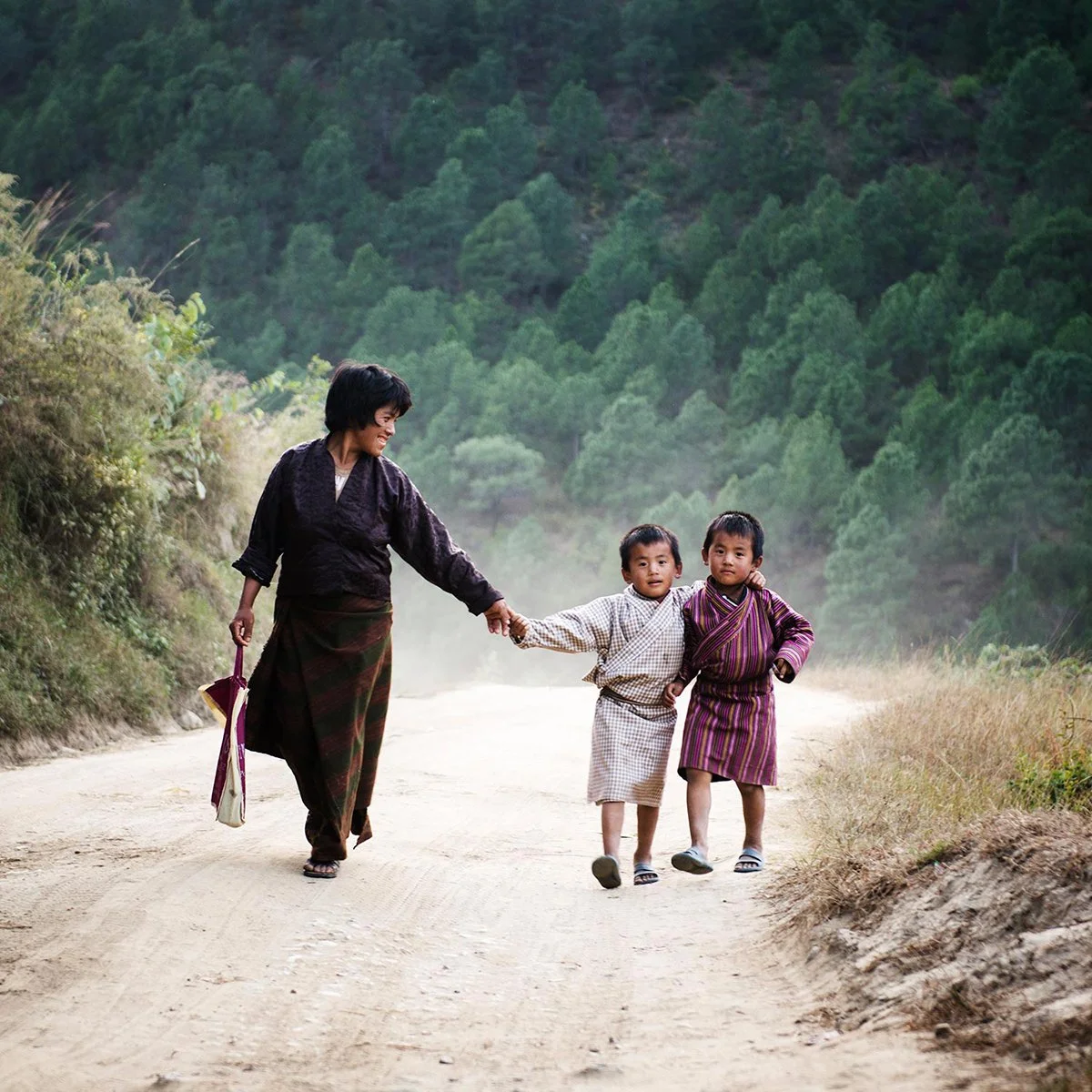
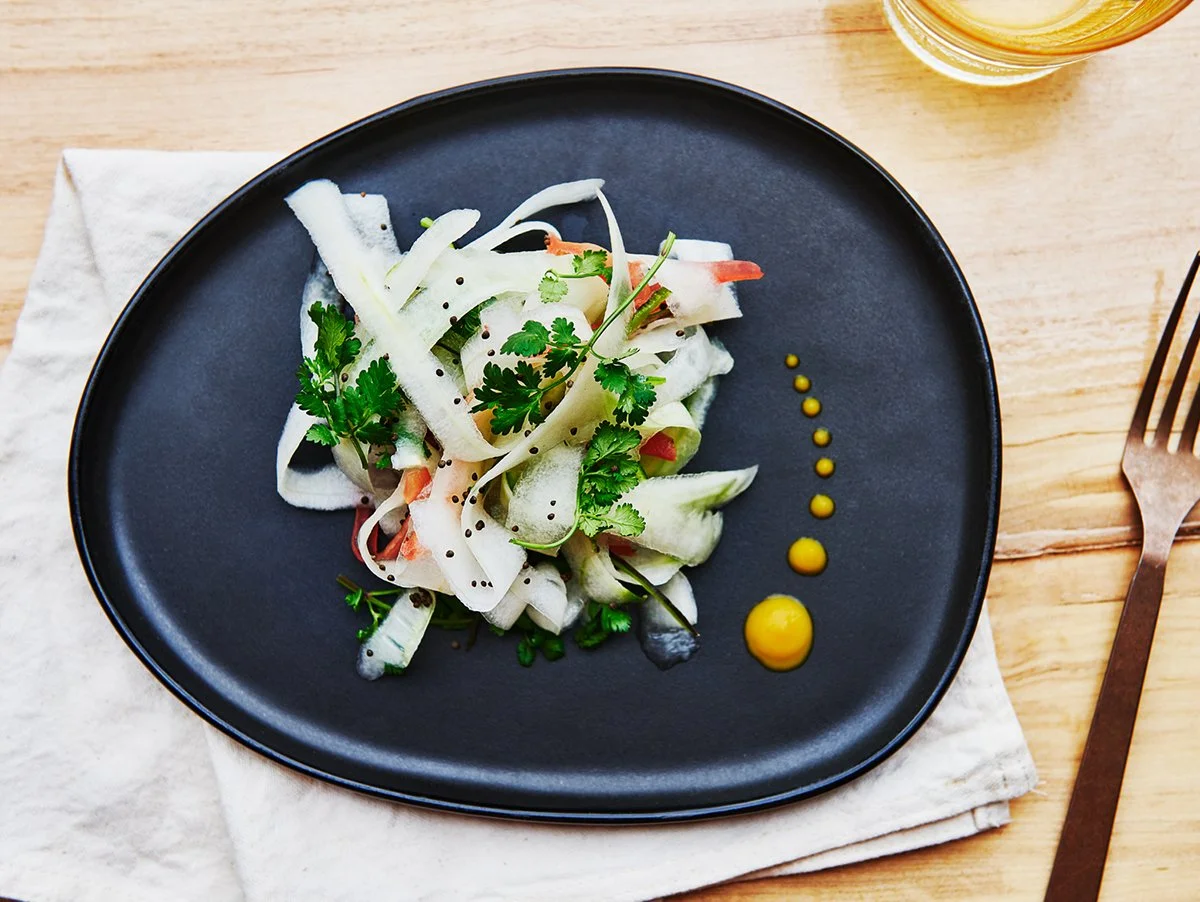
Michael Marquand recently returned from another trip capturing content for luxury travel agency, MyBhutan, who designs custom trips in Bhutan.
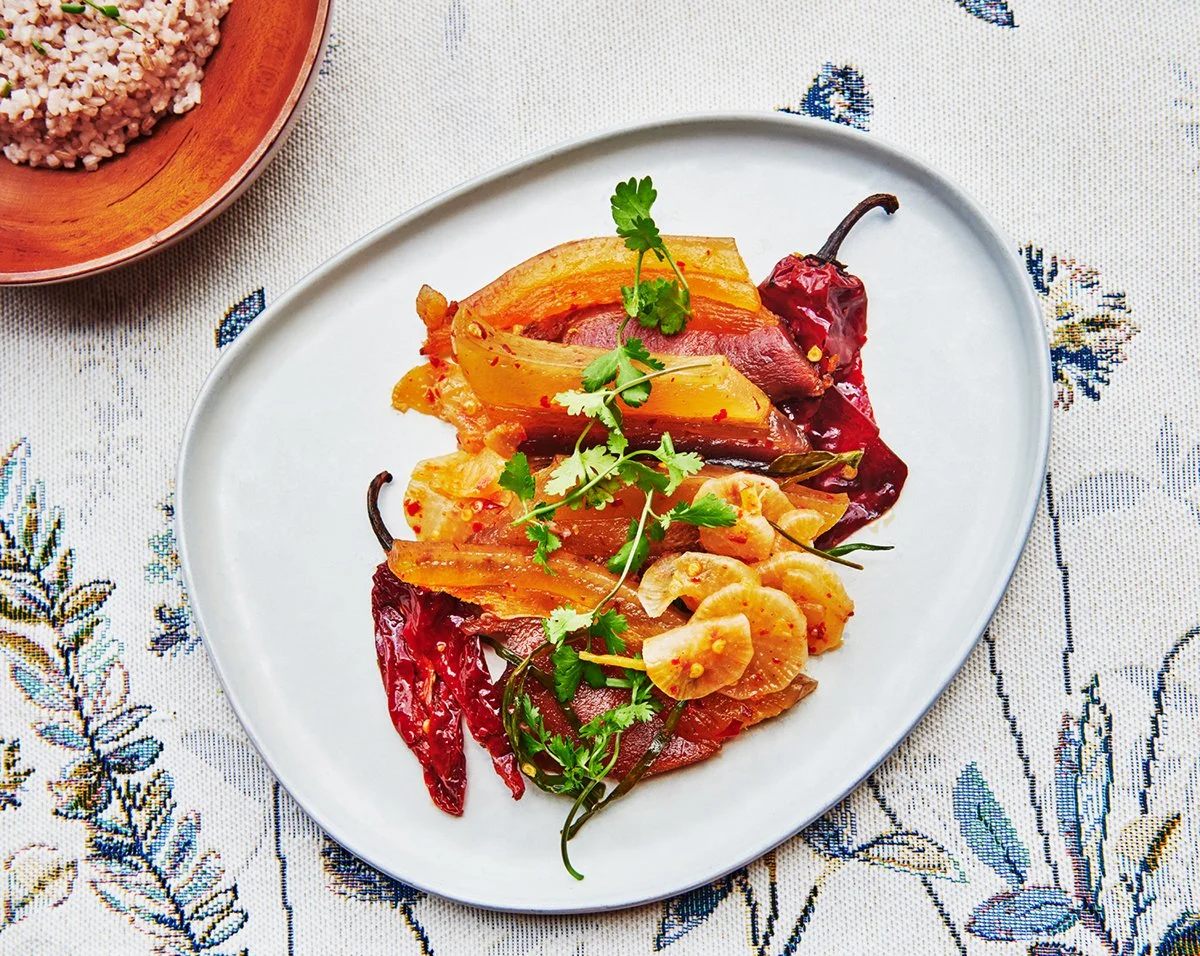
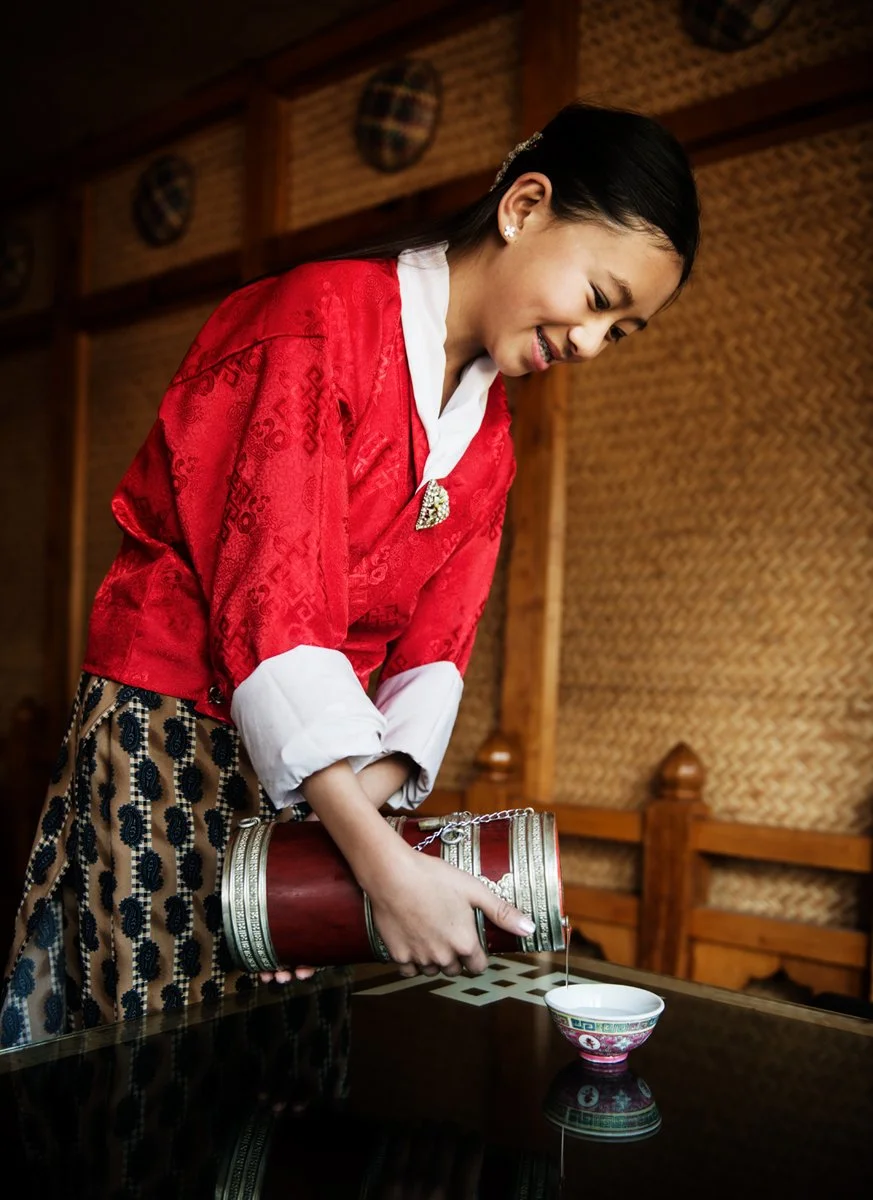
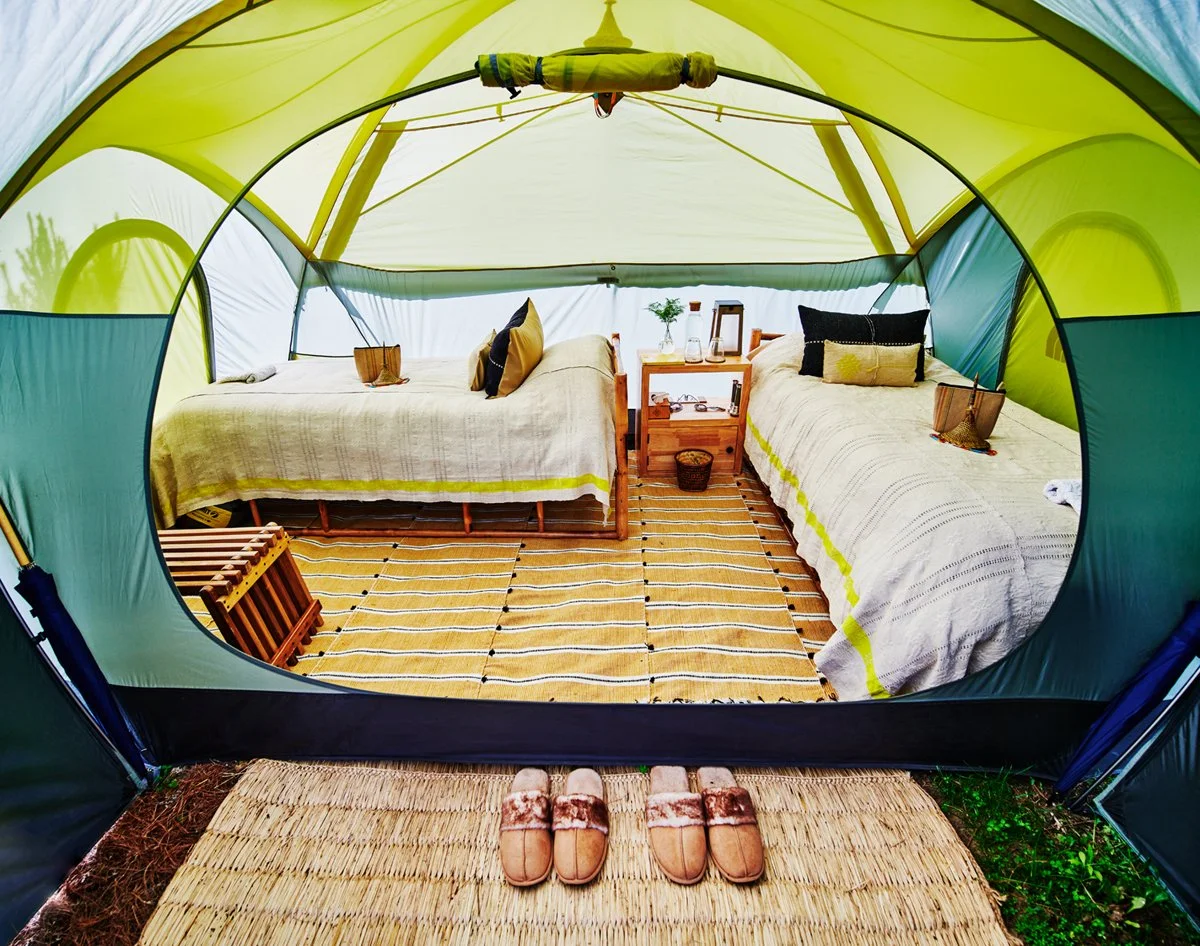
Having the good fortune to travel to Bhutan three times over the past ten years to create content for the agency, Michael has captured stunning portraits, regional cultural experiences and images of their high-end hotels and restaurants.
Most recently, Michael went to photograph the MyBhutan’s private Luxury camps (the camp’s accommodations, catered meals and features for the grounds) in Haa valley, as well as images of their brands and select cultural experiences offered to the guests like traditional Bhutanese dance performances.
New piece on my work for Grace Farms from Workbook and Adweek
Michael Marquand Revamps the Visual Presence of Grace Farms
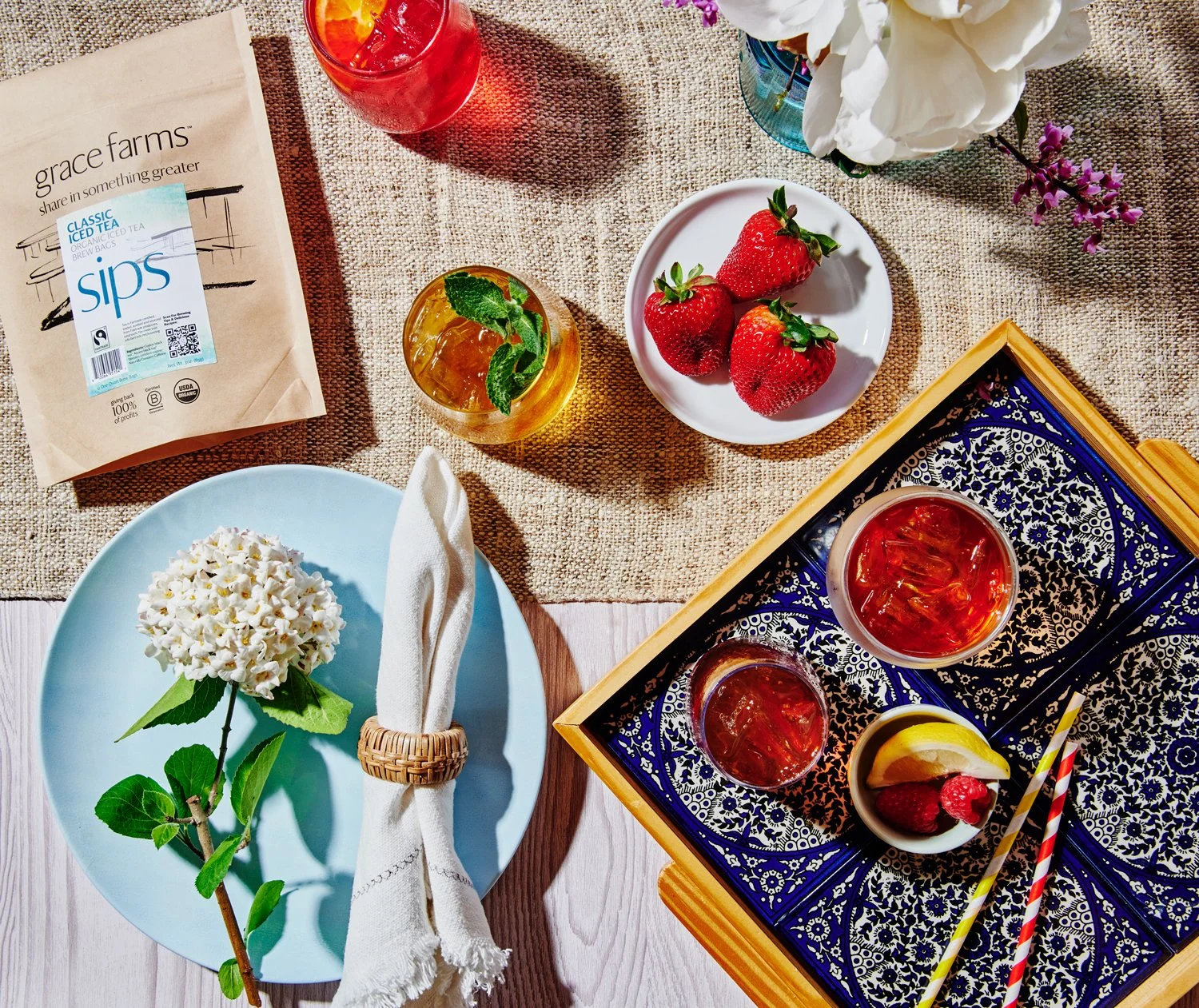
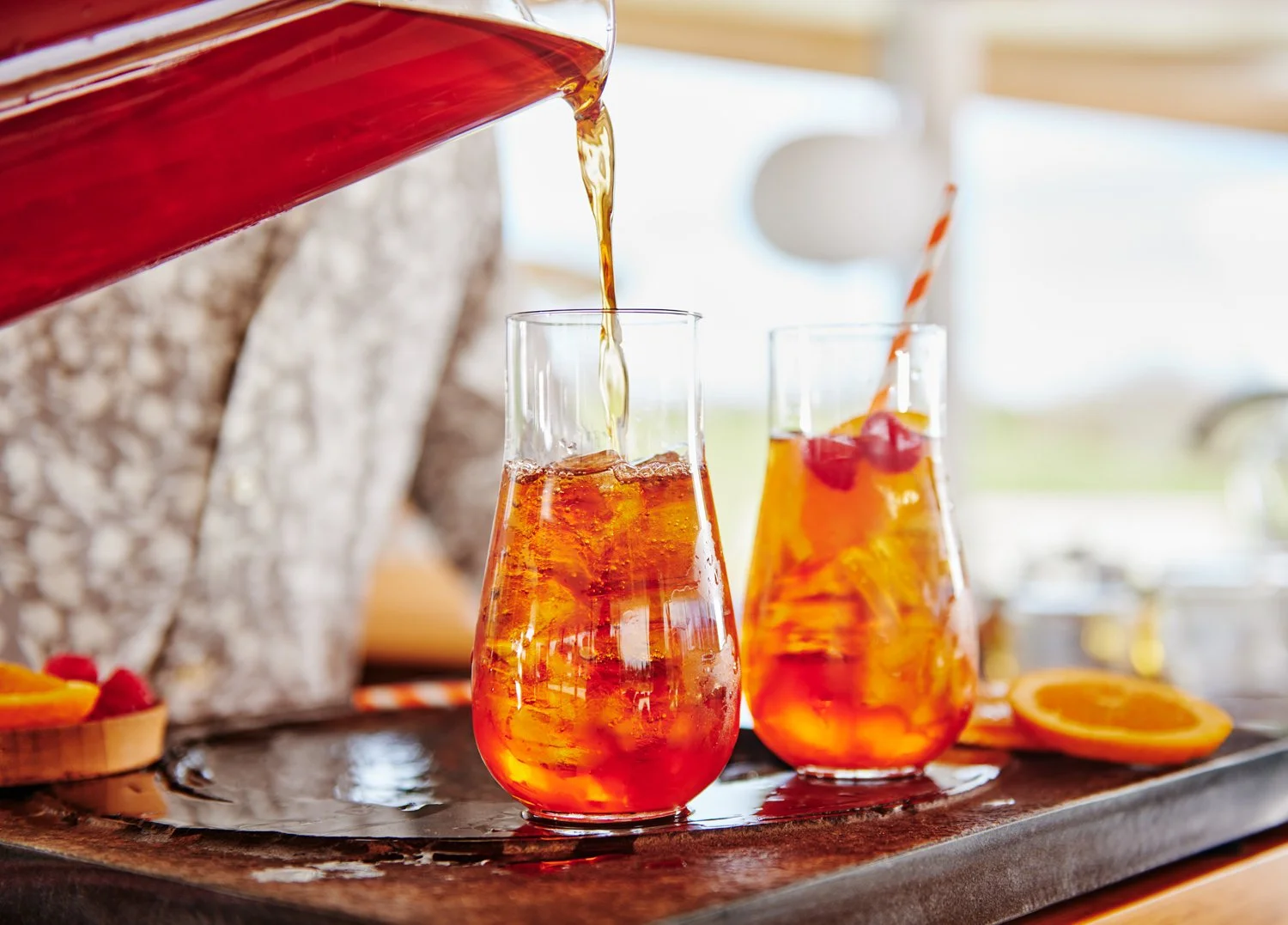
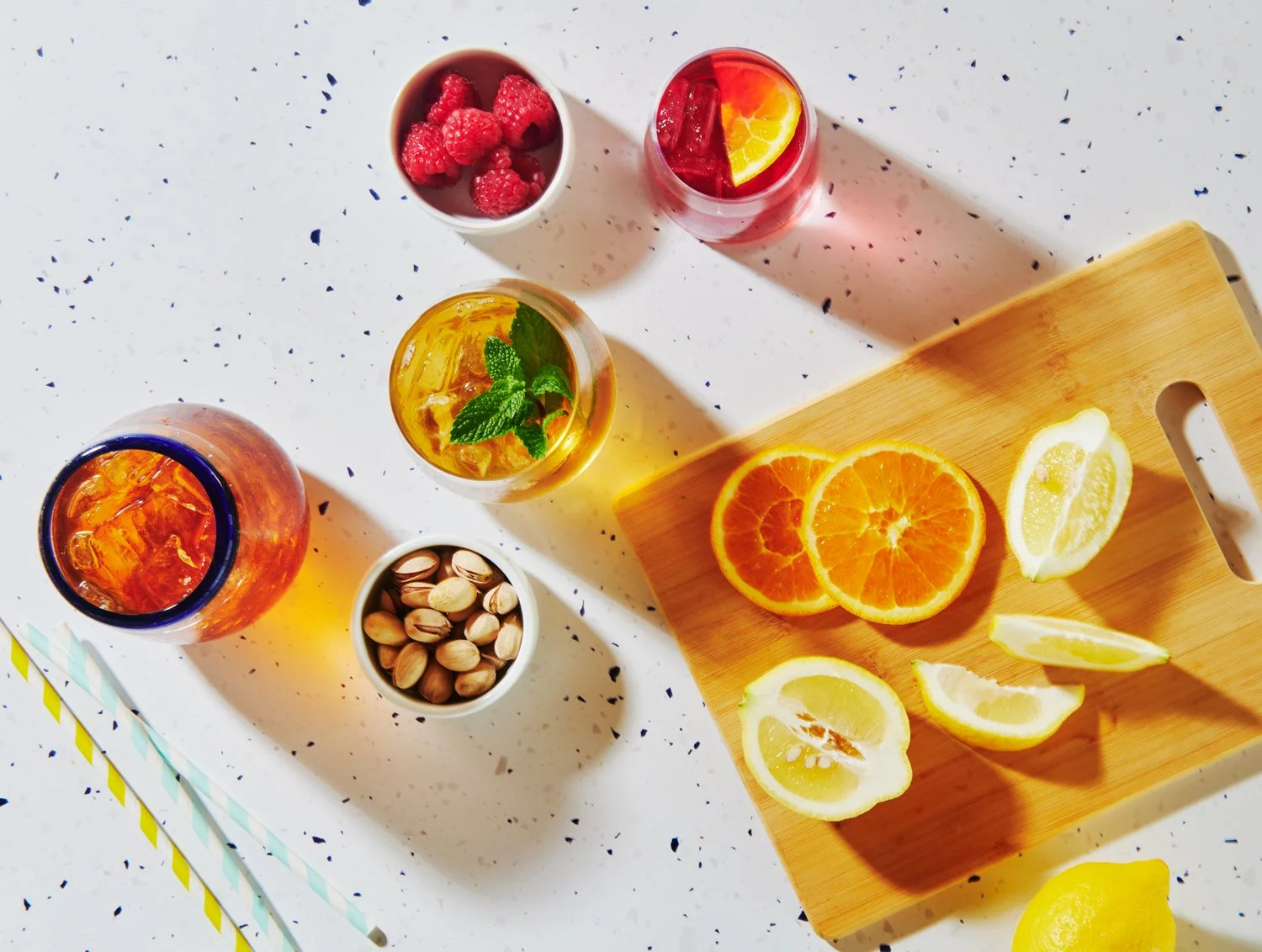
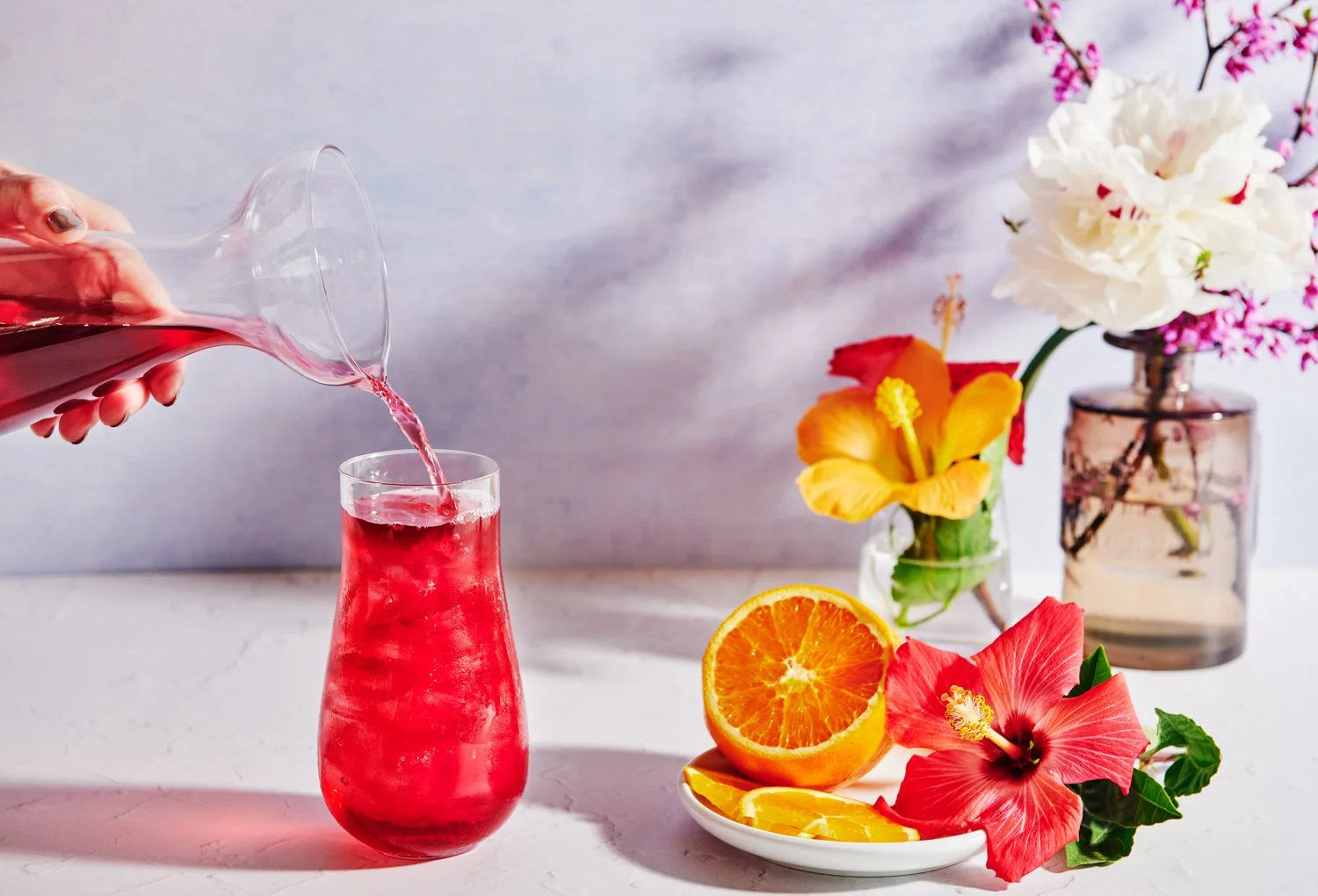
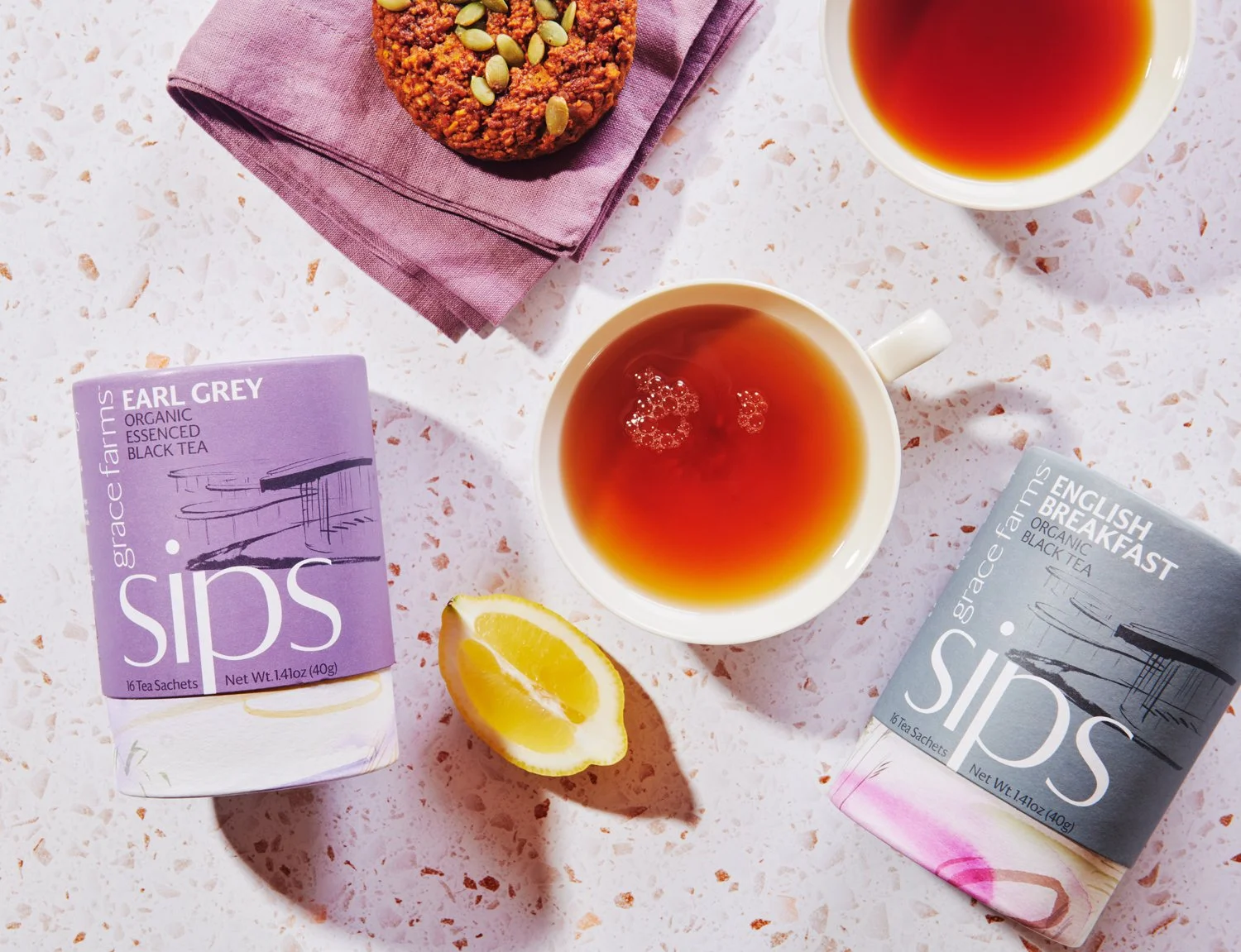
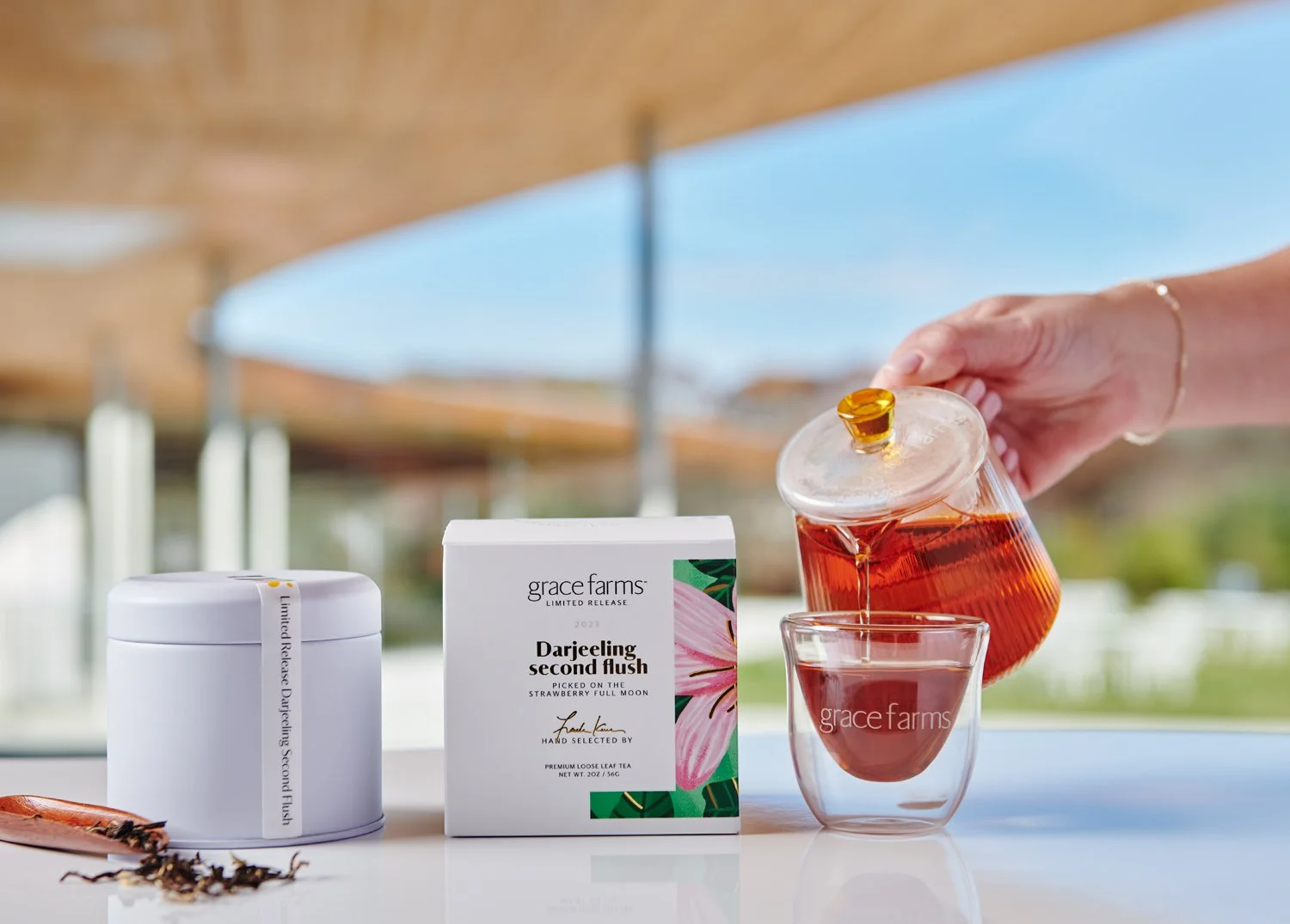
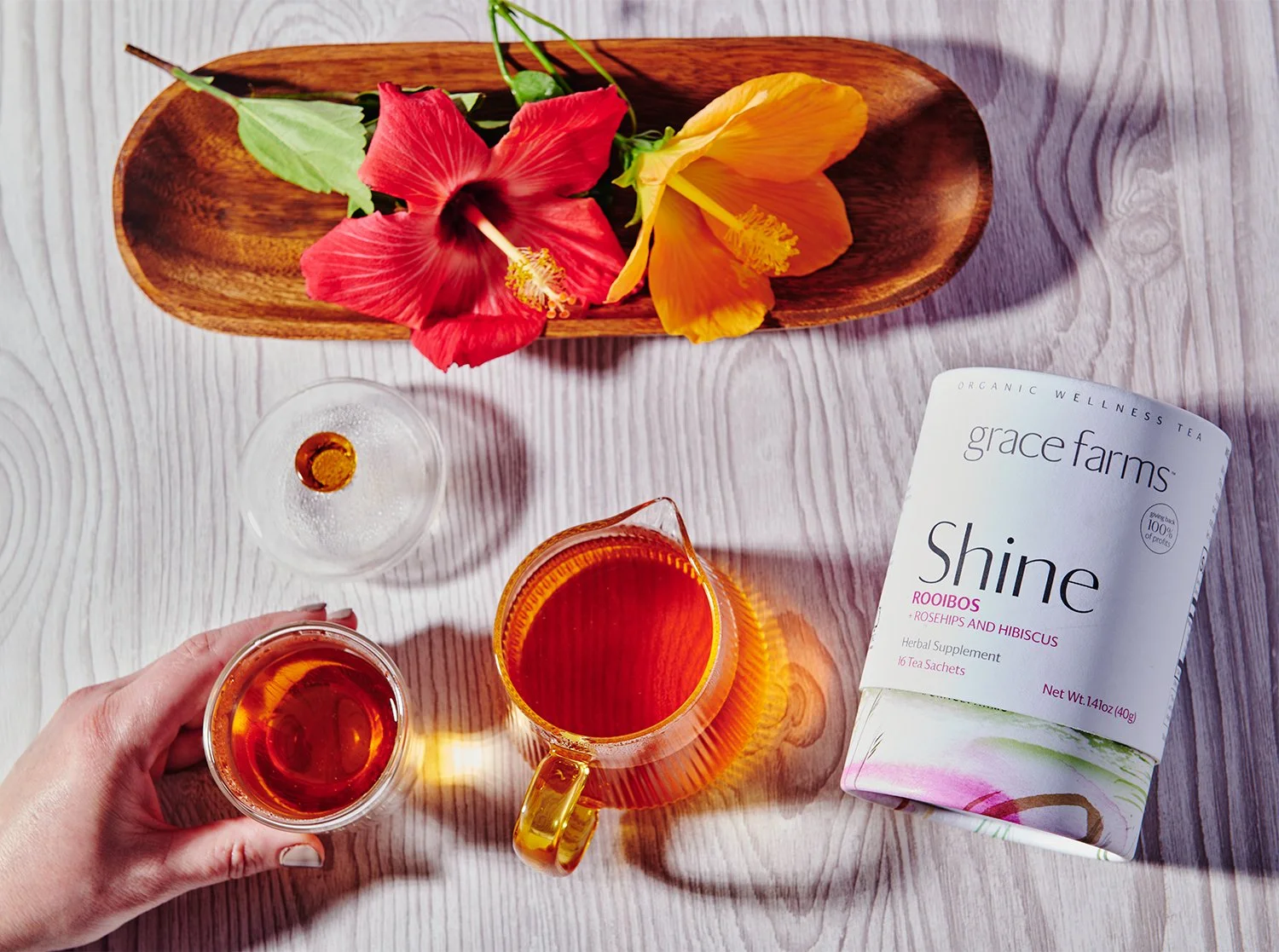
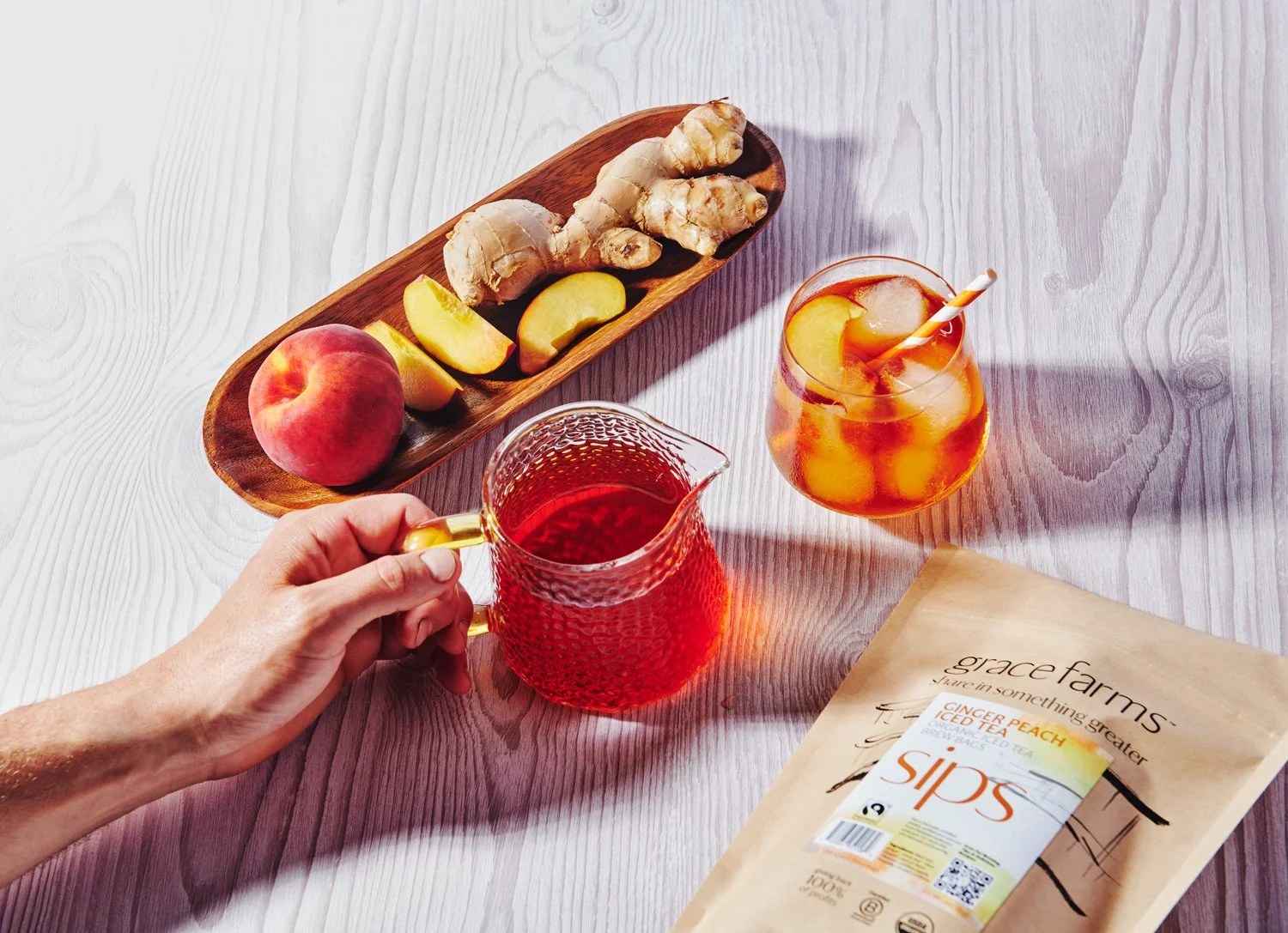
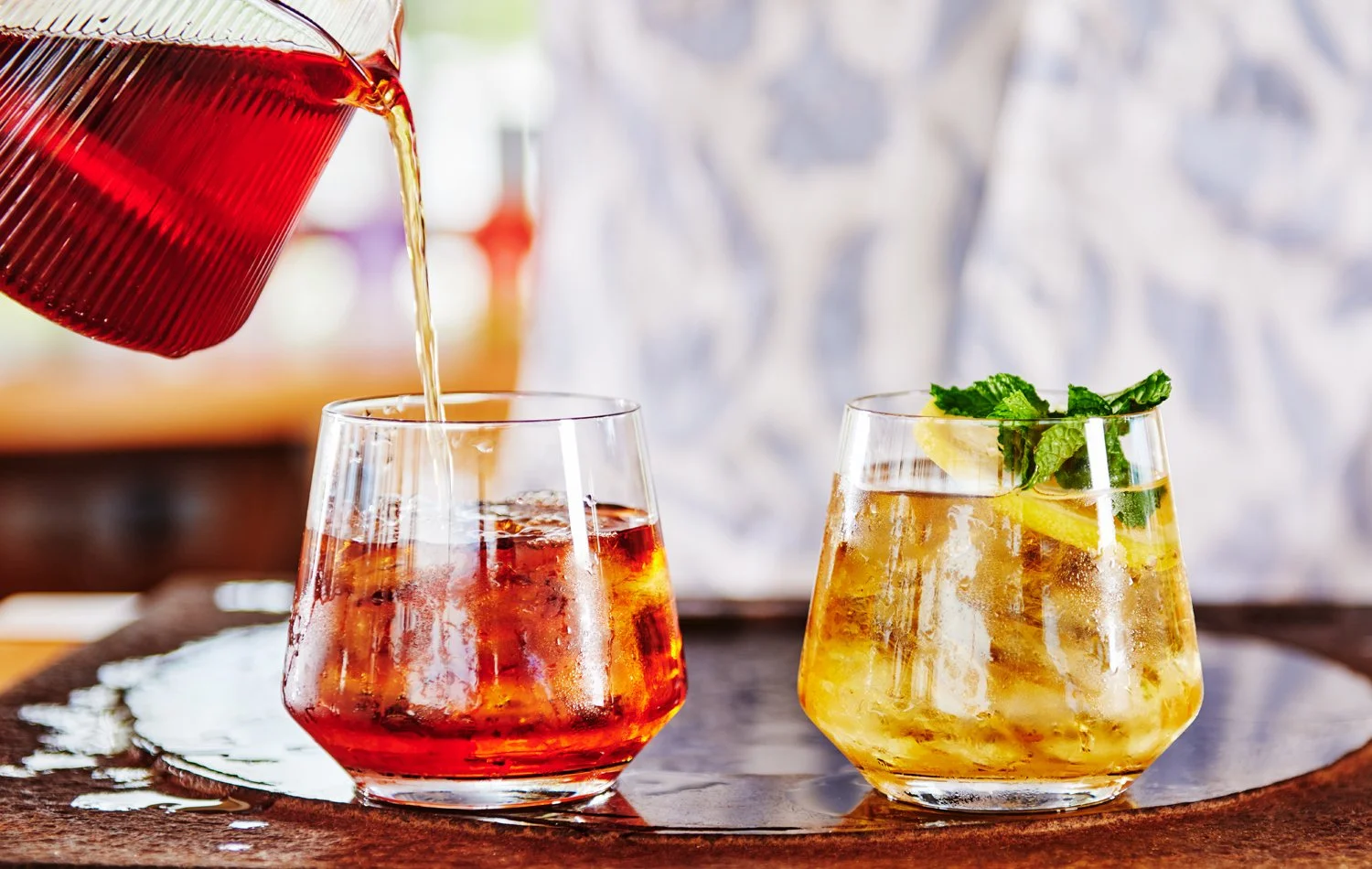
Grace Farms, a non-profit organization addressing humanitarian issues, sells a variety of organic, ethically sourced teas, iced teas, and coffees to support their causes. They enlisted photographer Michael Marquand to capture product imagery for their website, e-commerce platform, social channels, and digital advertising, aiming to enhance their visual presence. Michael’s graphic compositions and strong use of color instantly bring a refreshing and exciting new look to Grace Farms. You can practically taste their delicious teas!
Colors On Ice: Michael Marquand For Brooklyn Gin
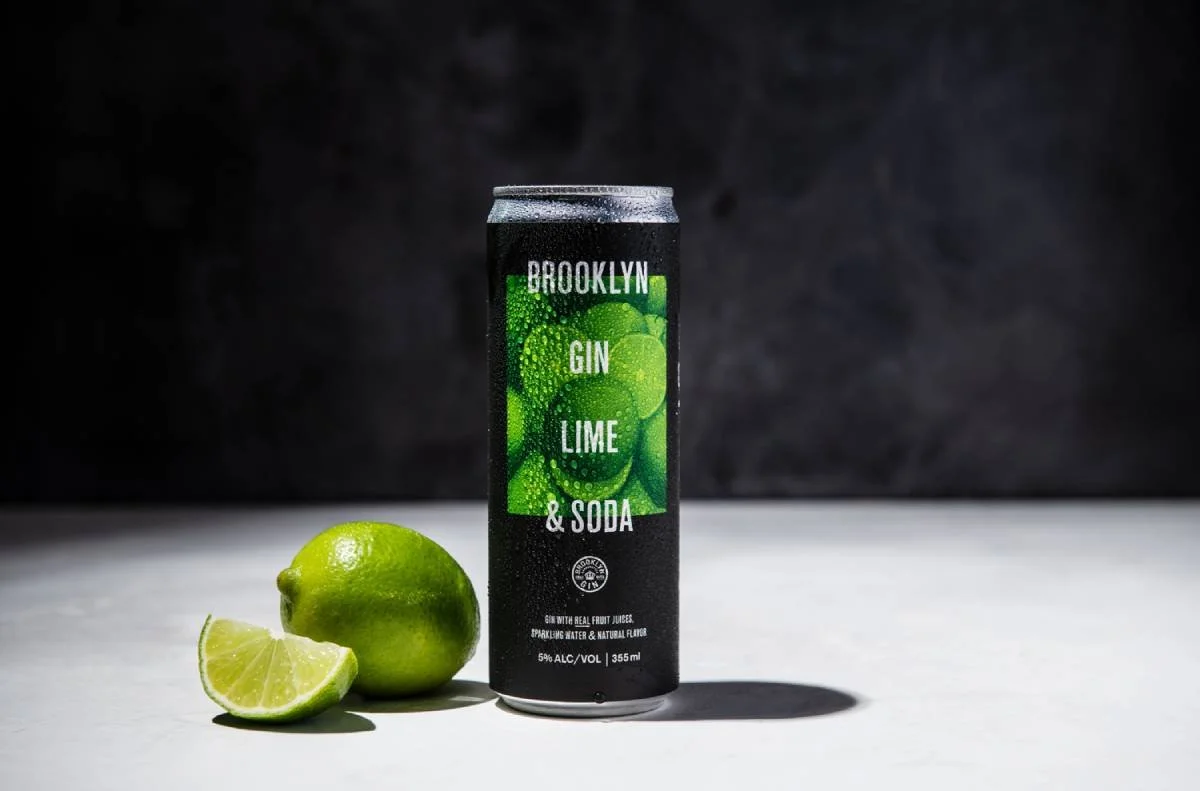
Brooklyn-based Michael Marquand is an accomplished photographer across several specialties. He often applies his vivid use of color to travel, portrait, interior, and food photography. However, it’s his use of darkness that attracted Brooklyn Gin. Being a new and edgy independent brand, they were seeking something different than traditional imagery within their market. After searching through a handful of photographers, they were struck most by Michael’s work. His ability to maintain vibrant colors within a moody scene was just what they were looking for.
Brooklyn Gin was launching its line of canned cocktails. So, they were looking for images to use for their website, social media, 3rd party e-commerce, and online advertising. They wanted to maintain their look as this cool Brooklyn-based brand, but they also wanted a strong focus on the fact that they were using all-natural ingredients. This is why we used fresh ingredients as flavor cues for many of the shots
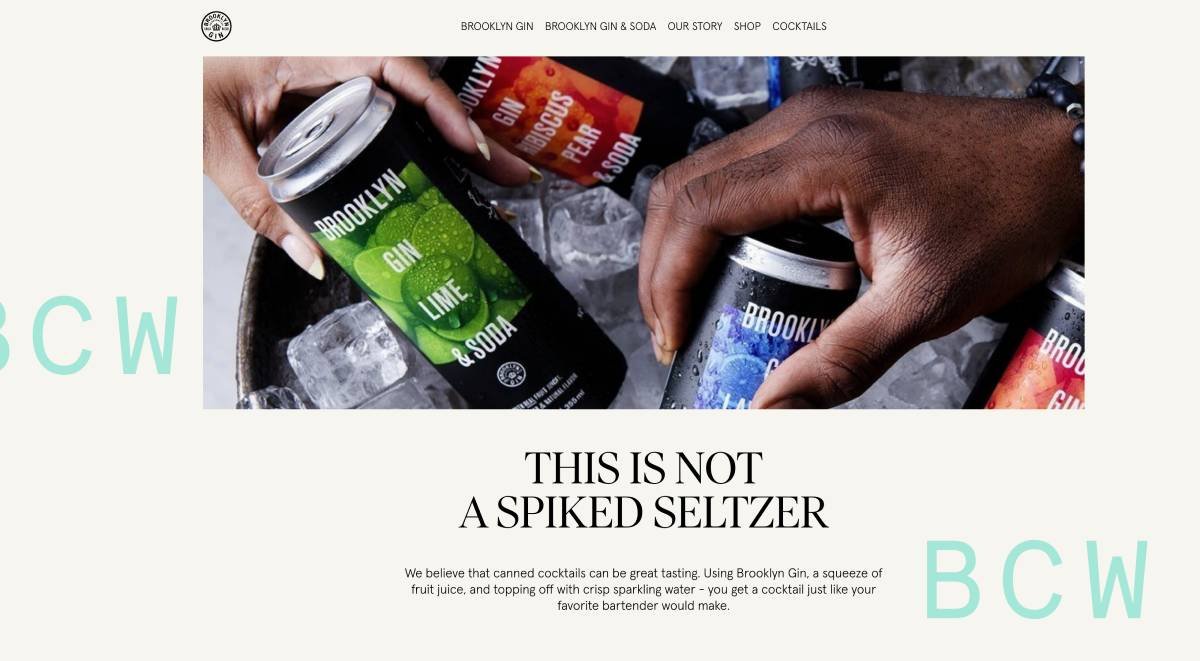
Many examples within Michael’s food and beverage portfolio accomplish exactly this. Ingredients sit decoratively next to a finished dish. He also selects surfaces that complement the colors of both the product and the fresh ingredients.
The scope of the project grew during the planning process. At first, the idea was to just do some very simple studio product shots. But when they sent me a mood board with the images they liked, many had a lot of food/ingredients, other props, different surfaces, etc. I worked with them to decide which elements were most important. From there it grew to something involving stylists, ingredients, props, surfaces, etc.
The finished image doesn’t just need to be beautiful, however, it must also be appetizing. Fortunately, Brooklyn Gin made this easy an easy task for Michael.
The product is actually really delicious. There are so many canned cocktails out now and so many of them taste really artificial and just not great. So it was nice to have a really high-quality product to work with.
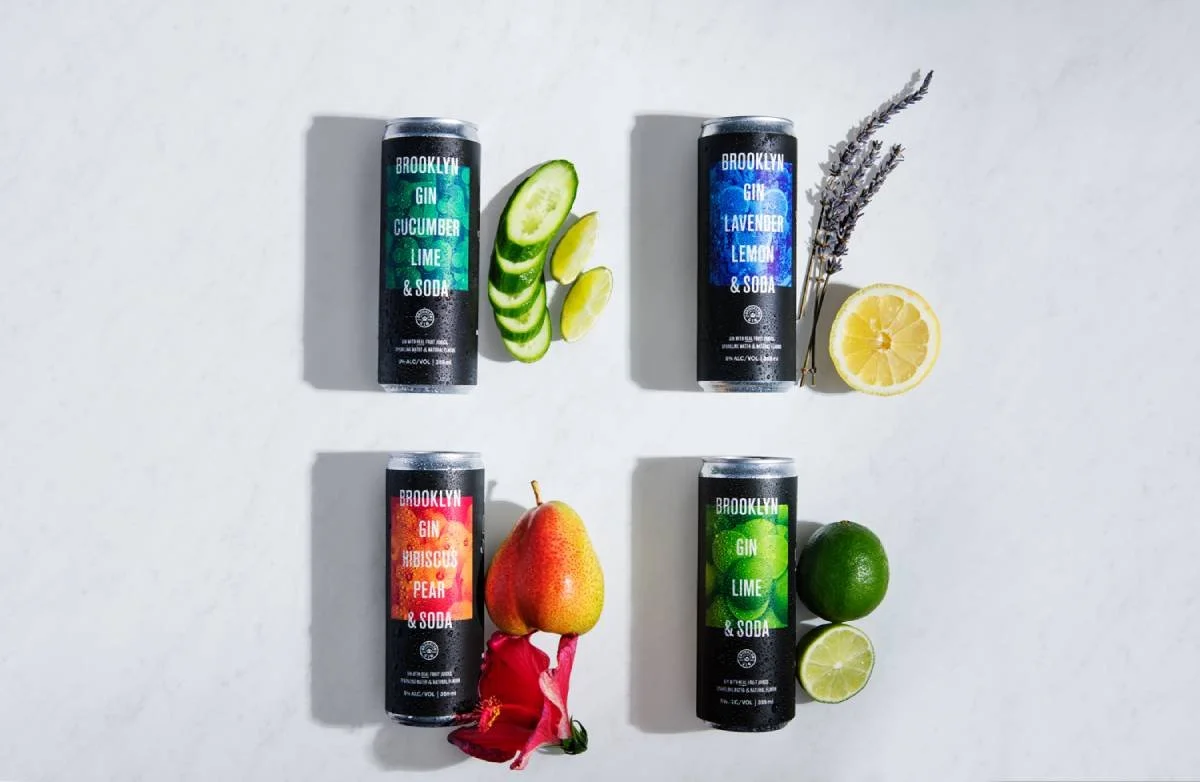
We shot at a prop rental house with an in-house studio called Prophaus. They gave us a package deal where we could rent the studio and use unlimited props. This was great because it gave us a lot more creative freedom. So, anytime there was a surface or a prop that wasn’t working we could easily swap it out for something else.
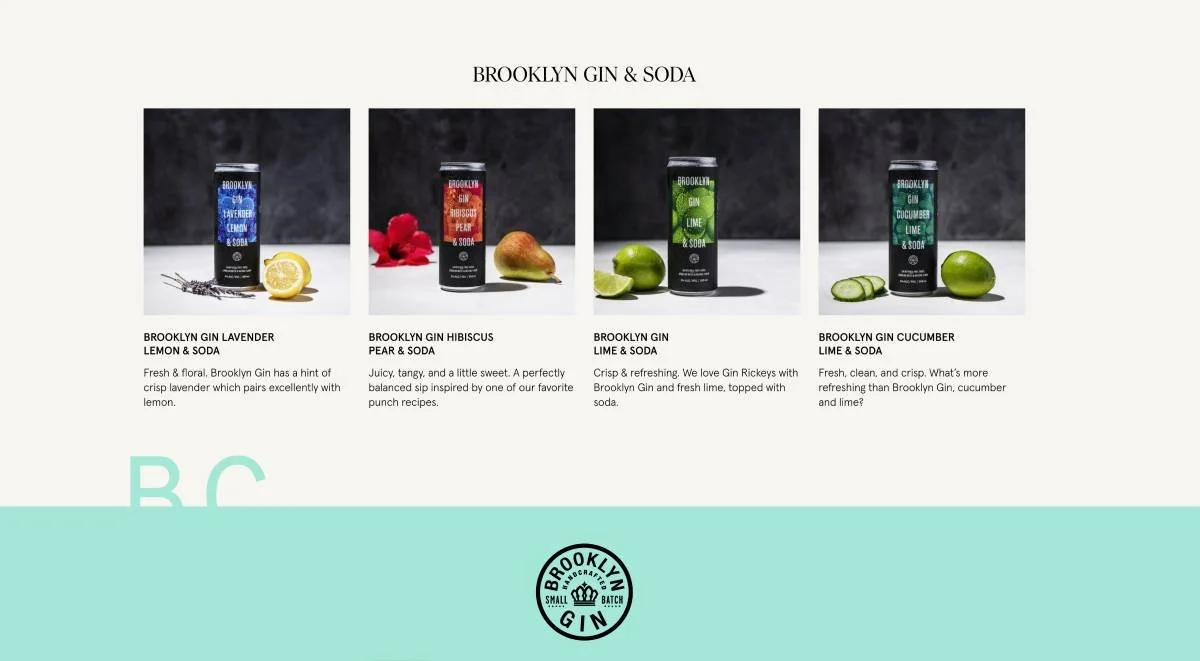
Because the client’s vision evolved to an ambitious project involving multiple elements, time and execution were critical. Michael’s adaptability in accommodating his client’s evolving vision certainly paid off here. Yet because of this, they were both appreciative and excited, giving the set a positive energy.
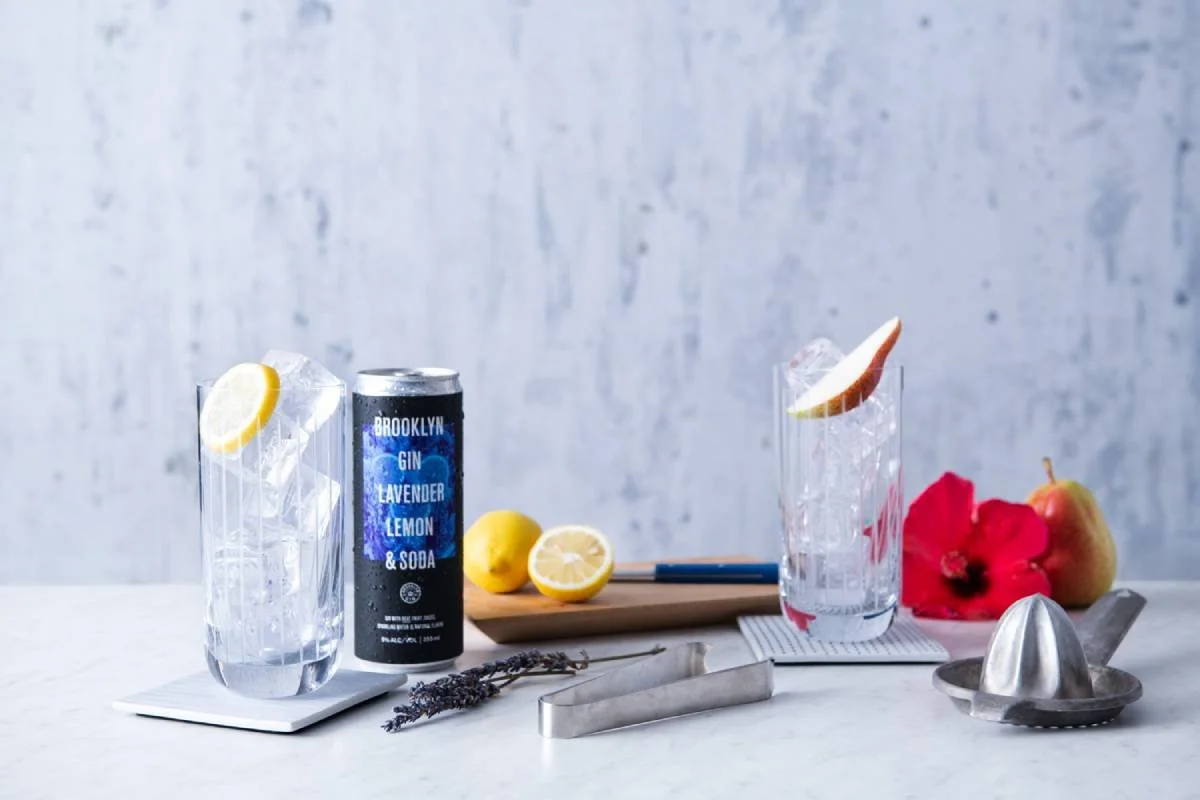
There was one potential issue. Gin is typically served with something much more temperamental and time-sensitive — ice.
The client was very concerned about how the ice was going to look for certain shots and we couldn’t just use store-bought ice or ice from a freezer if we wanted it to look a certain way. Marilinda is an expert on ice among other things. So she set us up with a service that delivered “photo ice” on the day of the shoot which worked out perfectly.
The shoot went off without a hitch and the opportunity provided a great professional discovery.
I loved shooting in a space that has so many props available to swap out as you’re shooting. I will certainly look for opportunities to utilize prop houses in that way in the future.
Credits
Food Stylist: Marilinda Hodgdon
Prop Stylist: Katrina Rozeville
Prop House/Photo Studio: Prophaus
Little piece on my work for Lodestars Anthology from Wonderful Machine:
Michael Marquand Revisits A Colorful City In India For Lodestars Anthology
By Liz Wolf
Published, Photographer Spotlight, Social Documentary
There’s a special feeling you get when returning to a place you last visited many years ago. The emotions are a blend of nostalgia for who you were when you first visited and an appreciation for the journey of life you have taken to come back. Brooklyn-based photographer Michael Marquand had the chance to re-experience the city of Varanasi, India when writing and shooting for a feature in Lodestars Anthology travel magazine.
“I had discovered their magazine and loved it, so I reached out to them and we collaborated on a piece for their issue on India.”
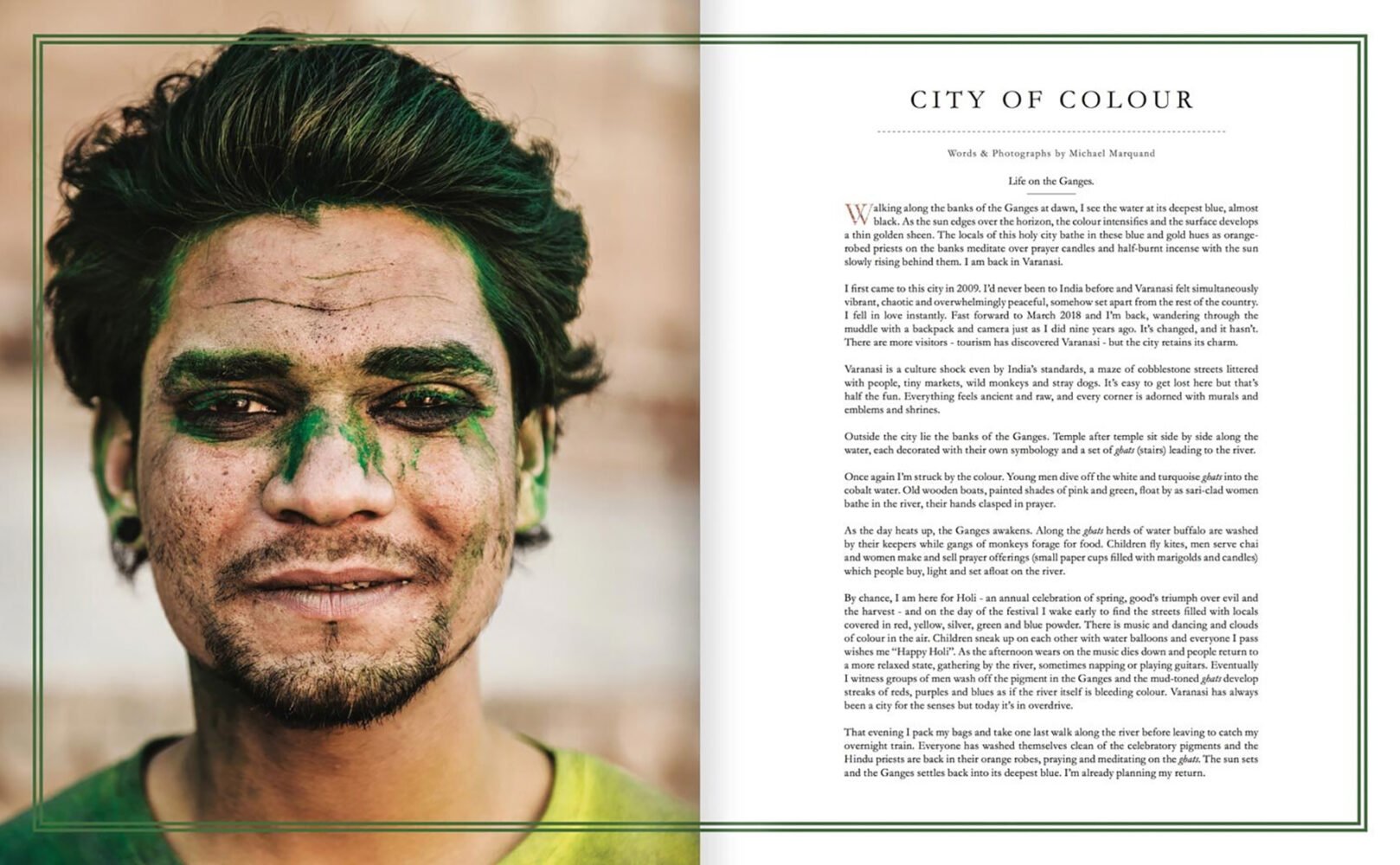
Michael was already traveling to Bhutan when he contacted the publication. Initially, he offered to provide images from that trip. However, Lodestar Anthology focuses each issue on a single country, and they will focus their next issue on India. The editor, Liz Schaffer, had seen Michael’s images from a previous trip to Varanasi and suggested revisiting the city.
“I had planned on spending a few days in India to witness and photograph the Holi festival and the timing of the article just happened to line up with my trip.”
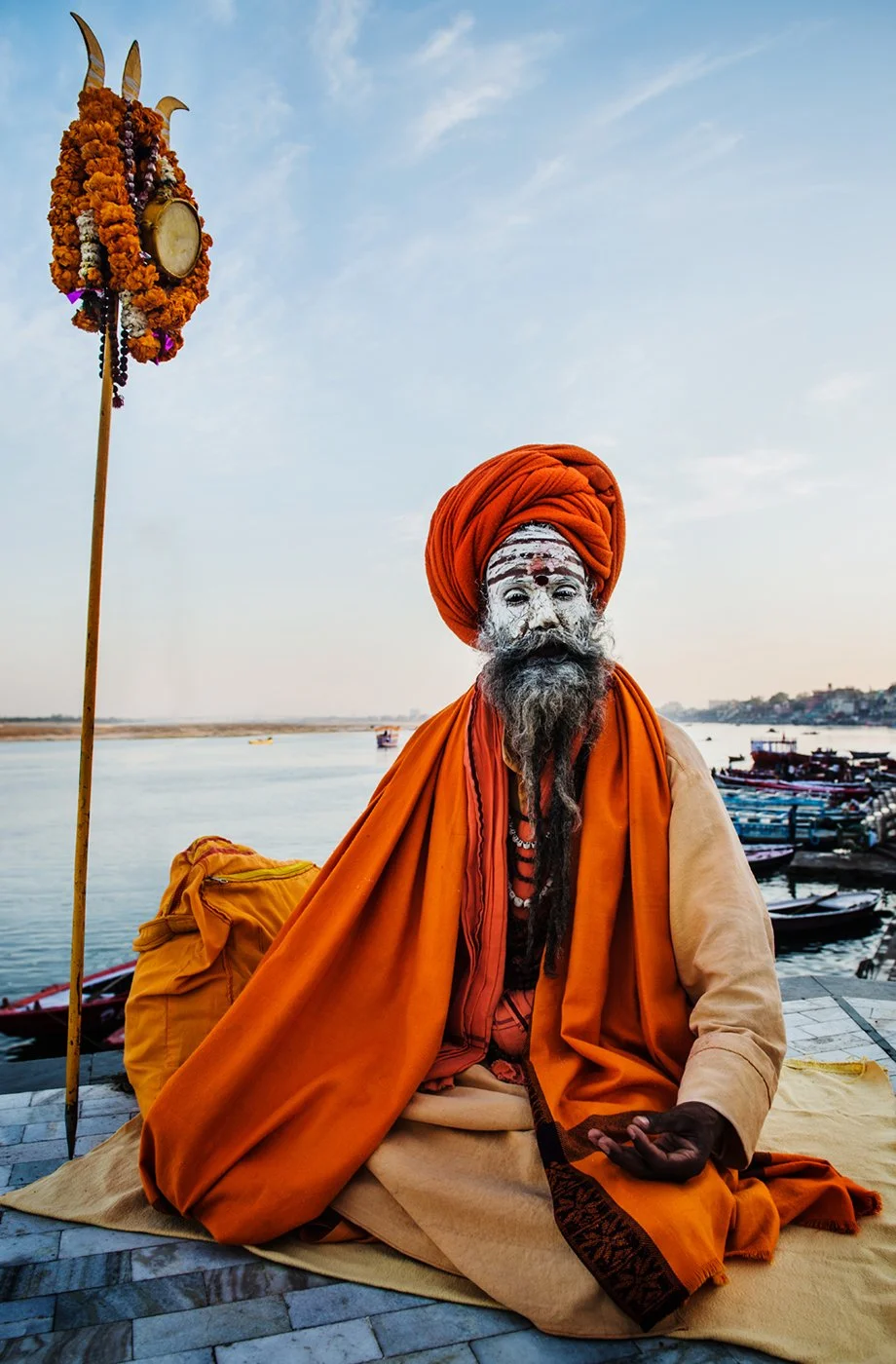
Once Michael and his client settled on a creative direction for their story, he was given a free hand. Since he had been there before, he had an easier time navigating the confusing maze of narrow cobblestone streets that wind from the riverfront through the city.
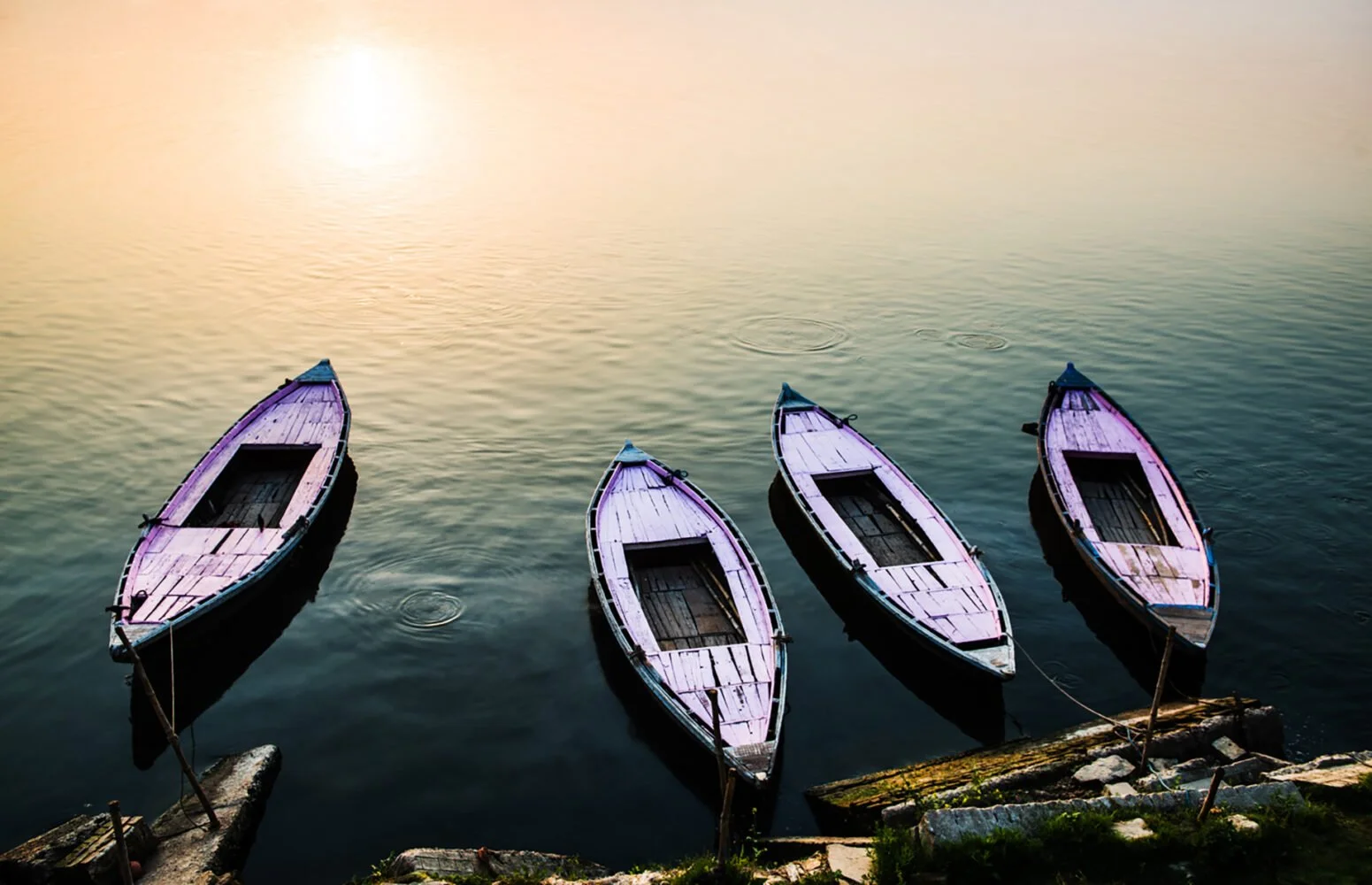
“Varanasi is a stunning city. It’s built along the Ganges river and the area is considered a holy place for Hindus.”
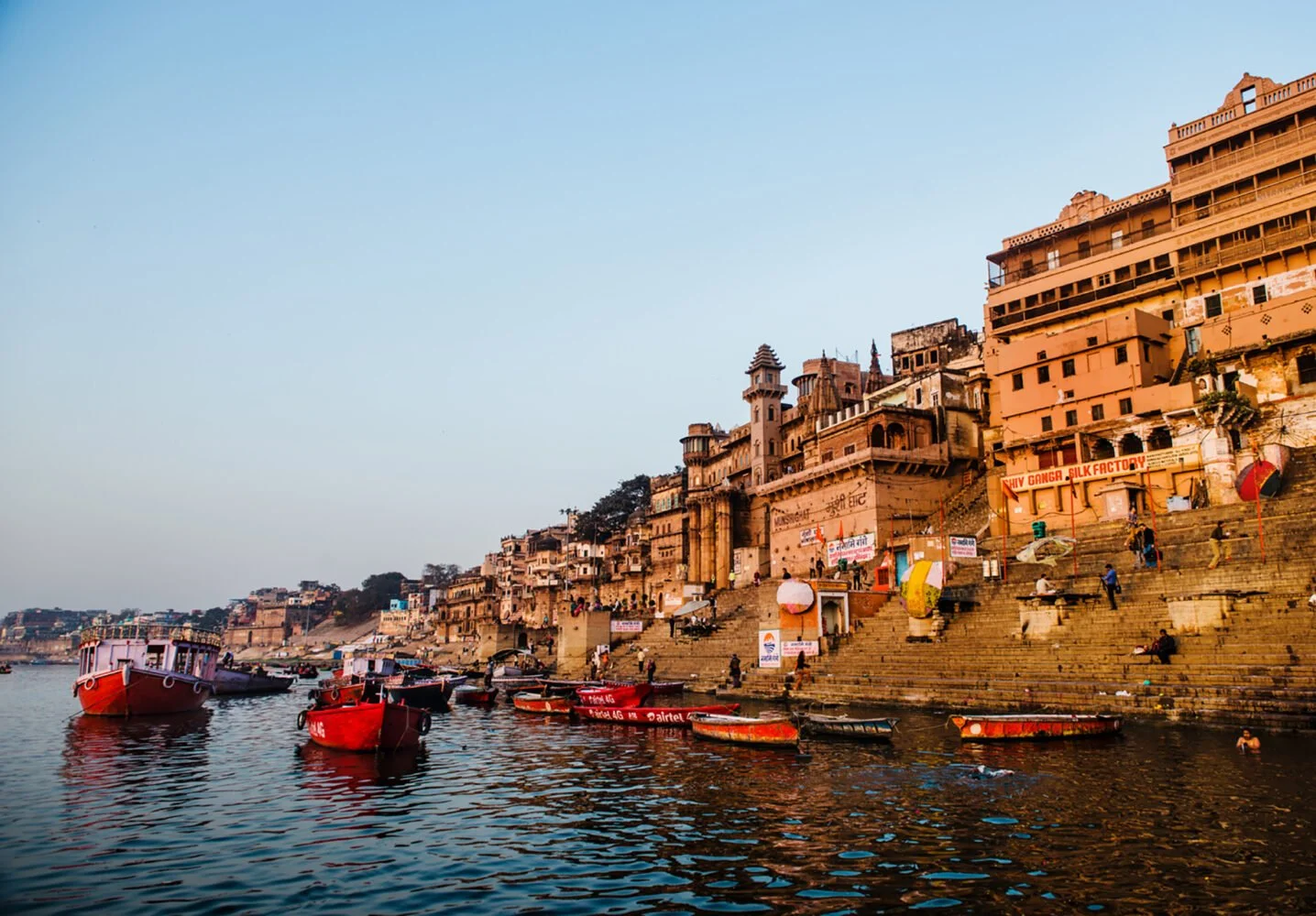
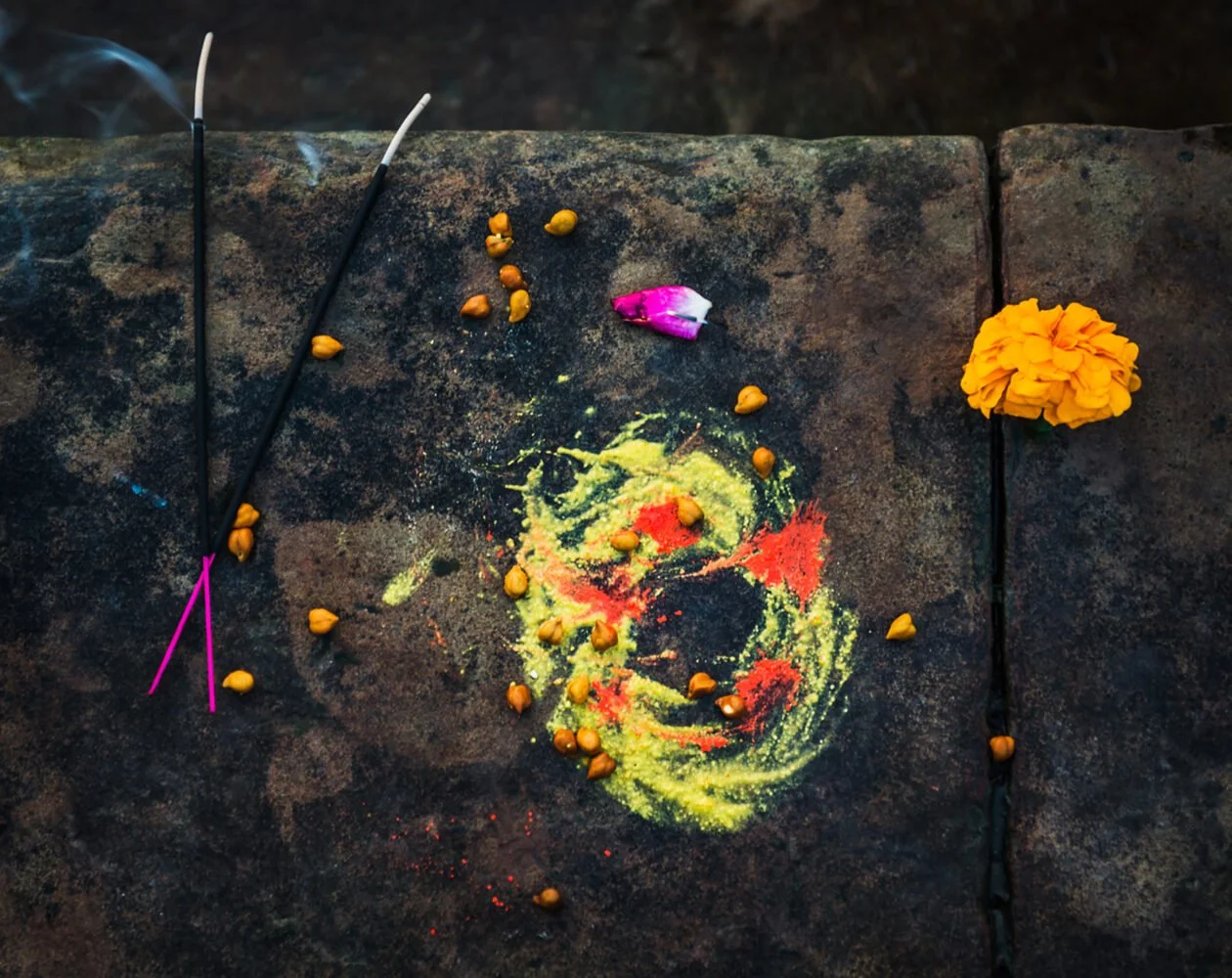
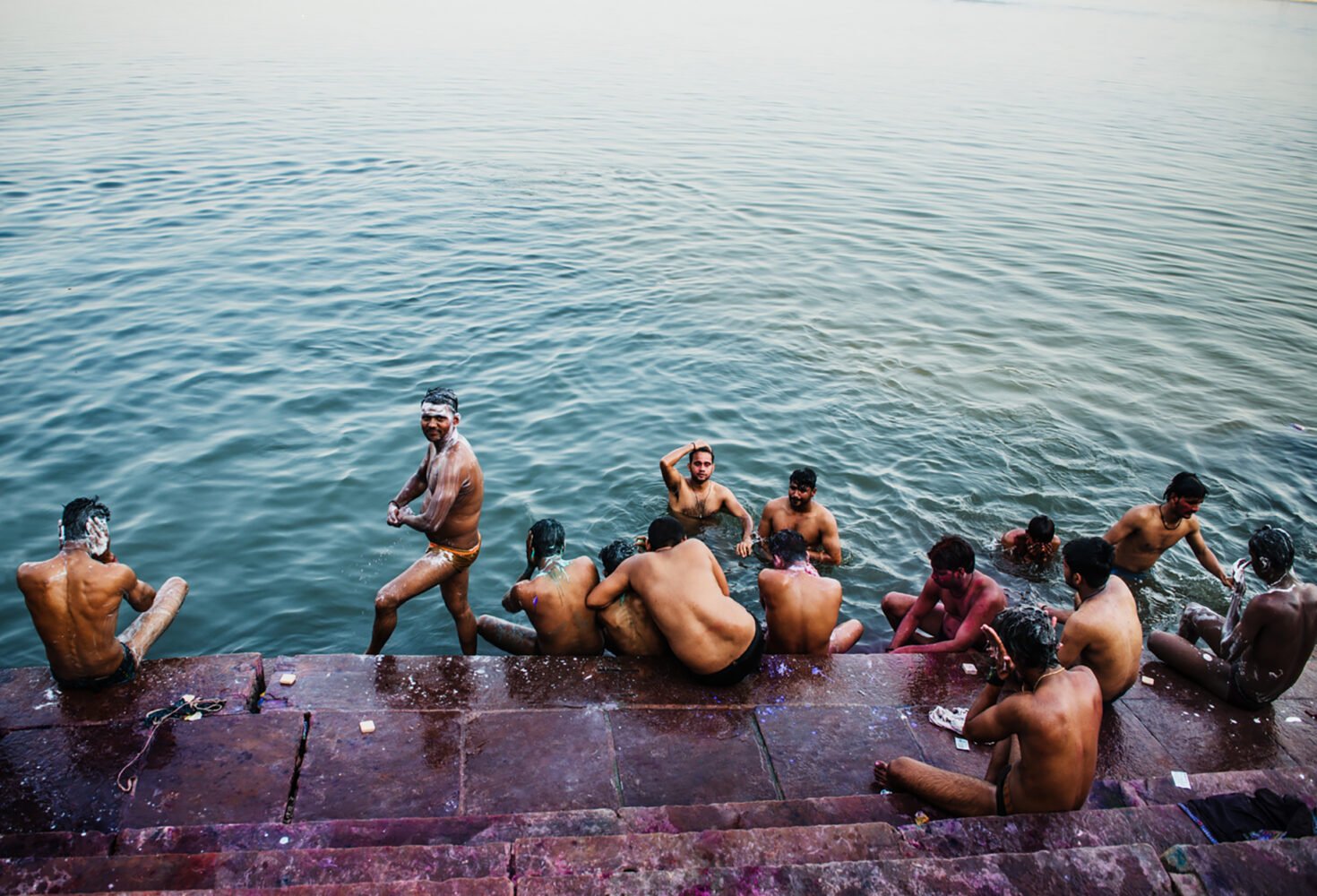
“There are different Hindu temples lined up next to each other by the river. Each one has stairs — called ghats — that lead down to the water and are used during rituals.”
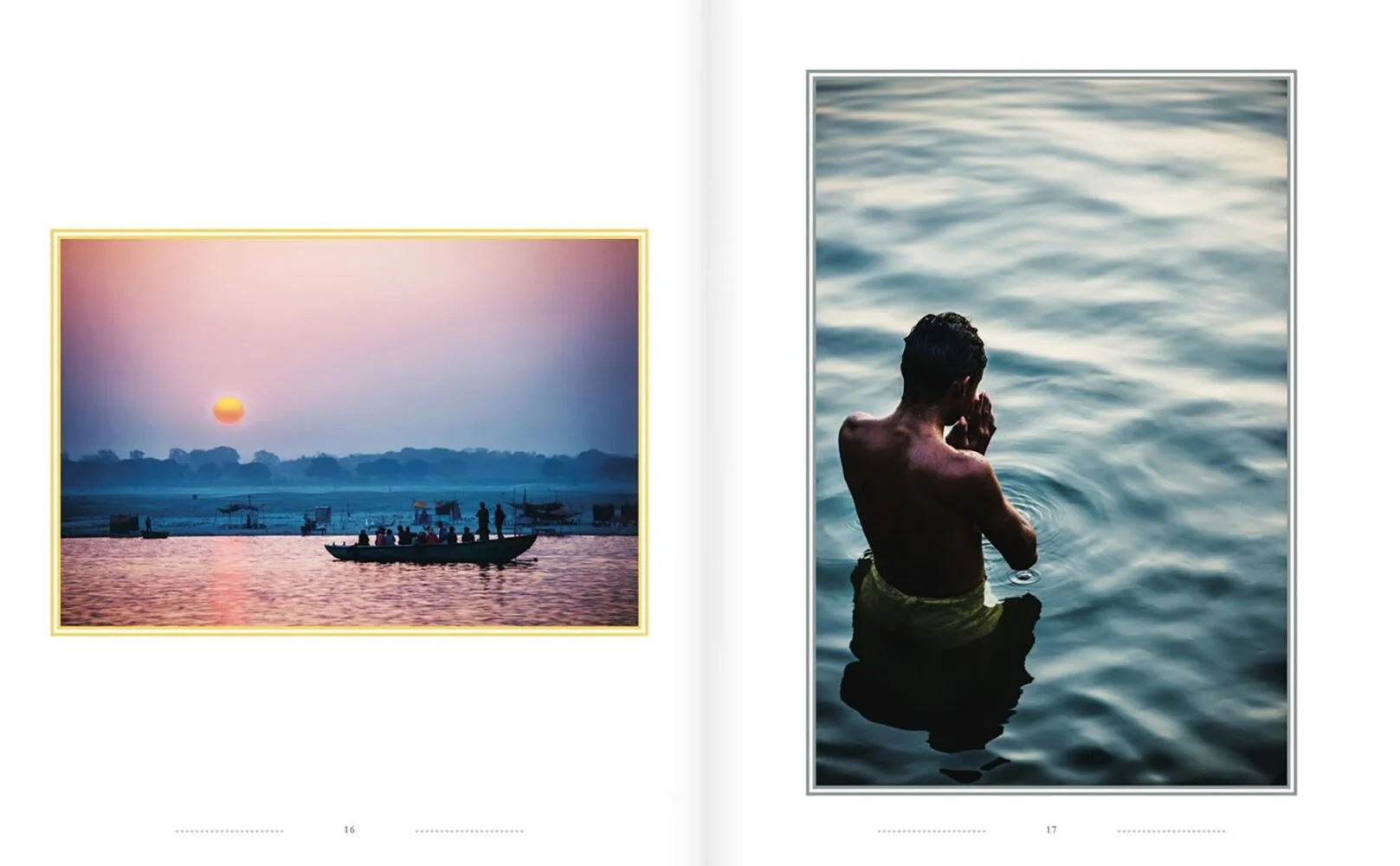
Varanasi, revered as the spiritual capital of India, draws thousands of Hindu pilgrims who journey to the sacred waters of the Ganges for bathing rituals and funeral rites. While Michael respectfully chose not to capture these processions, he witnessed several private moments of prayer that spoke to the sacred healing of this place.
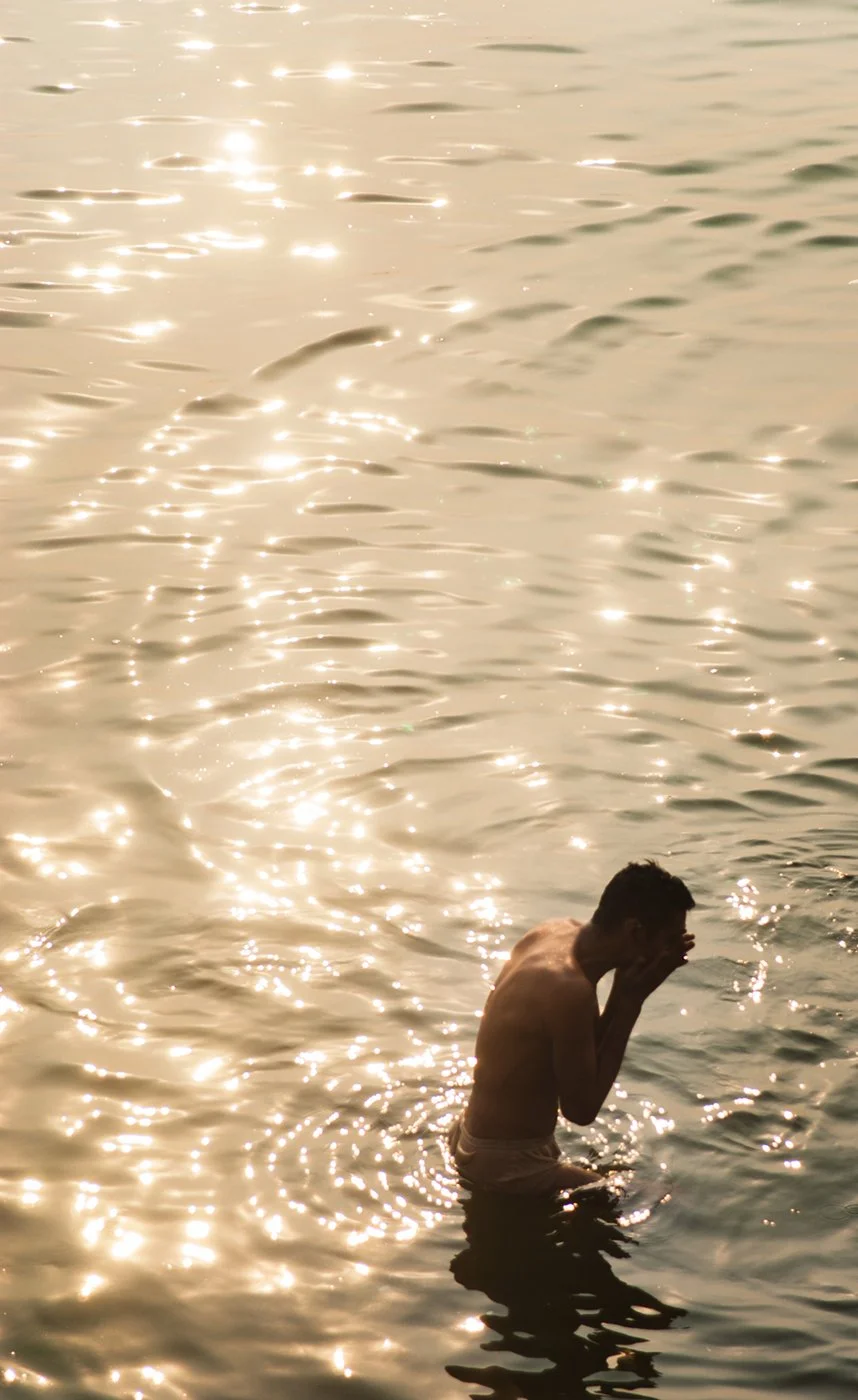
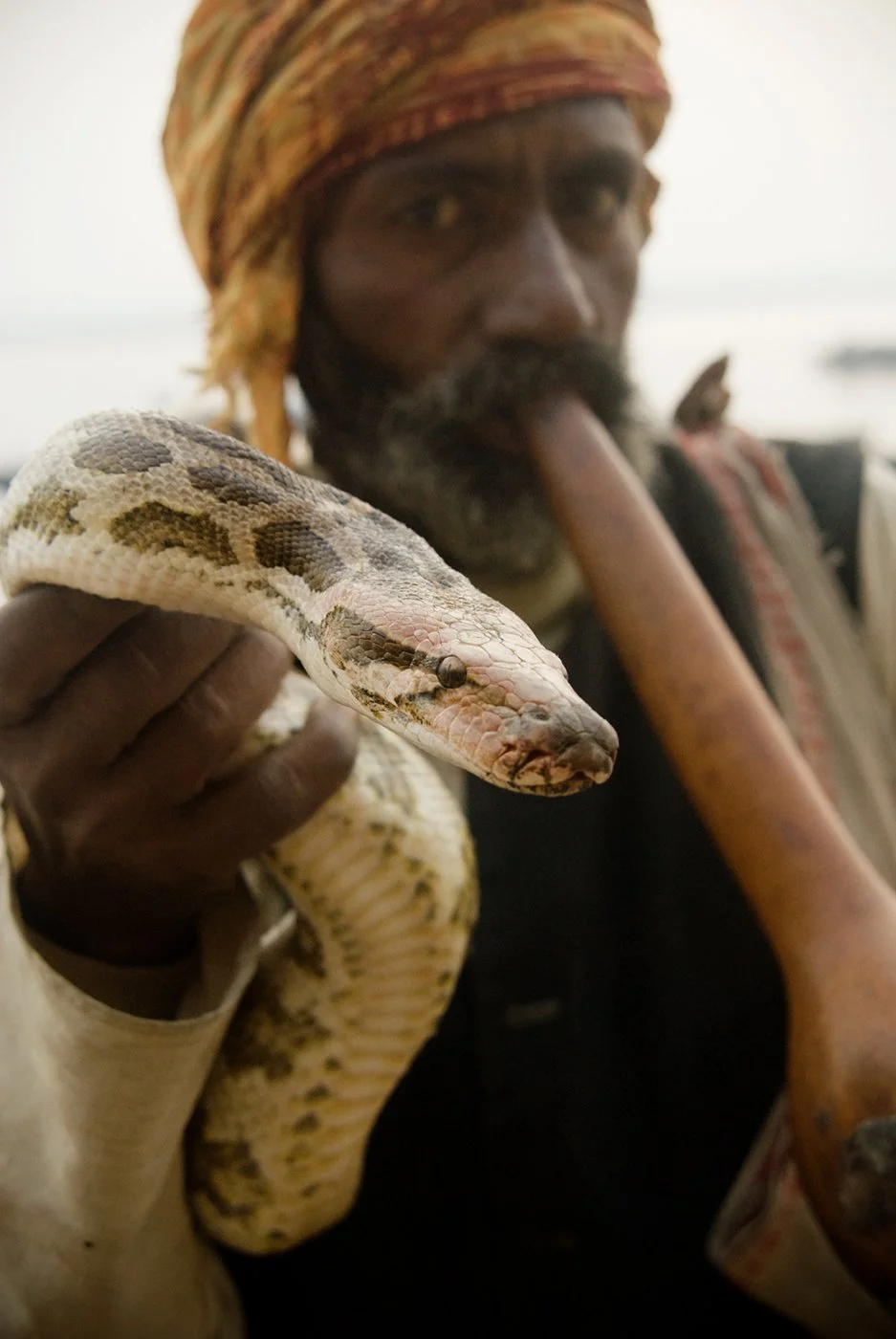
The waters near the temples were peaceful and serene. Michael found this atmosphere juxtaposed nicely with the lively tone of the festival and the inhabitants of the city. Contrasting the serene waters, Varanasi’s bustling streets teem with stray animals, playful monkeys, and travelers from around the globe eager to partake in the vibrant festivities of Holi.
“It’s an incredible place to explore as a photographer!”
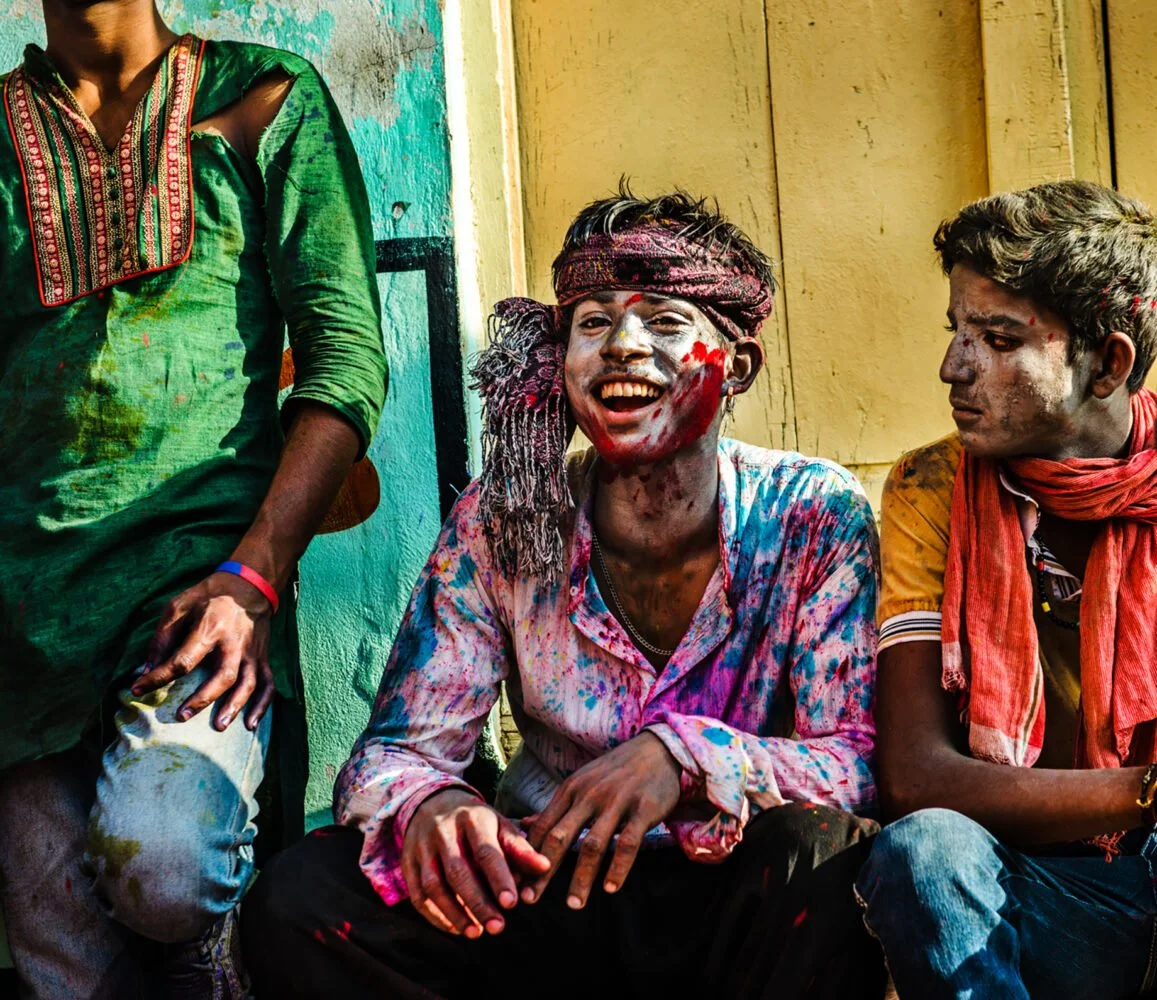
During the festival of Holi, revelers joyously throw vibrant dyes and paint onto friends, family, and fellow festival-goers, marking the celebration of spring and renewal. Michael was eager to experience this moment authentically, despite the risks it posed to expensive photography equipment.
“I was worried about my gear during the Holi festival, but I ended up putting some plastic bags around my camera with a hole for the lens to go through and it turned out great.”
When trying to find subjects for this assignment, Michael wanted candid images that showed people genuinely participating in the festival. He found that the people of the city were either hesitant about being photographed or too eager to pose. This made it hard to strike a balance that felt natural. The moments he captured when people ignored his lens allowed him to take more authentic, documentary-style imagery.
“I think the best shots I got were from the people who were indifferent to the camera.”
Michael’s return to Varanasi left him a more confident and intentional traveler. He’s grown his ability to navigate foreign spaces, both logistically and respectfully with the cultures he engages with. This cyclical journey allowed Michael to reconnect with himself as a photographer as he revisited this special and sacred city.
“I appreciated visiting a place that I had been to years before and having the chance to see it with fresh eyes.”